

Non Toxic Skin Care Products: The 5-Point Label Test (and a 3-Product Routine)
Non toxic skin care products are the ones whose labels you can read top to bottom and actually recognize: every ingredient named, no lone "fragrance" standing in for a blend, and a short list led by fats and butters your skin already knows, like grass-fed beef tallow. Nobody hands out a seal for the word. Under the FTC's Green Guides, a "non-toxic" claim has to be backed by competent and reliable scientific evidence and is read as covering people and the environment, but no one signs off before the jar hits the shelf. So the label is your real test, and it takes about five minutes to run.
Here's the five-point check we use on our own jars, plus a three-product routine that passes it.
What non toxic skin care products actually promise
"Non-toxic" is printed on everything from dish soap to face cream, and it sounds like a certification. It isn't one. The rule that governs it is a Federal Trade Commission guideline, 16 CFR 260.10, and it's short: "It is deceptive to misrepresent, directly or by implication, that a product, package, or service is non-toxic."
The interesting part is how broadly the FTC reads the word. A non-toxic claim is understood to mean "non-toxic both for humans and for the environment generally." That's a high bar. A brand making it is supposed to hold the evidence for both halves.
Does "non-toxic" on a jar mean someone tested it?
Not before it was printed. There's no registry, no logo and no approval step for the phrase on skincare. The FTC can act on a misleading claim after the fact, which is useful, but it means the word on the front tells you what the brand wants you to think. The back of the jar tells you what's in it.
Same story with "clean," which we broke down in what clean skin care means on a label. The fix for both buzzwords is identical: stop shopping the adjective. Shop the ingredient list.
The five-point label test
Every point below comes from how cosmetic labels are legally built, which is exactly why it works. You're reading a document with rules, not a mood board.
1. Is every ingredient named, including the scent?
US cosmetic labels list ingredients "in descending order of predominance" under 21 CFR 701.3. The same rule lets a brand write the scent as one word: "fragrance or flavor may be listed as fragrance or flavor." That single word can be one ingredient or a whole blend, and the label doesn't have to say which.
So the first thing to look for is a scent you can name. Peppermint oil, vanilla, lavender: fine, you know what you're getting. A lone "fragrance" or "parfum" is the one spot on a label where reading stops working.
2. Are the top five things you could picture?
Descending order means the first few ingredients are most of the product. If those are fats, butters and oils you could find in a kitchen or a farm stand, you're looking at a product built on them. The same regulation lets anything at 1% or less go in any order, so the tail of the list is where the trace stuff lives. Read the top for what it is, the tail for what it's carrying.
3. Does it say fragrance-free, or just "unscented"?
These sound like synonyms. The American Academy of Dermatology says they aren't: "If you see the word 'unscented,' the product can contain chemicals that neutralize or hide the odors of other ingredients." Dermatologists, per the same page, "recommend using products labeled 'fragrance-free.'" If you want no scent, that's the word to look for, and then confirm it on the ingredient list.
4. How much water is in the jar?
Water is usually ingredient number one in a lotion, and water is what makes a formula need a serious preservative system to stay shelf-stable. A cream or balm with no water in the formula has far less to protect. It also tends to do more for dry skin: the AAD puts it plainly, "Ointments and creams add more moisture to skin and are more effective than lotions."
5. Are you judging the finished product, or the scariest word on the list?
Every real bar of soap starts with lye, and some labels say so: sodium hydroxide. It's caustic in a jug. In a finished, properly made bar it has reacted with the fats to become soap and glycerin, which is the whole point of soap-making. A label that lists the lye is just being honest about the chemistry. Our piece on why soap dries skin covers what actually decides how a bar feels.

A non-toxic skincare routine in three products
Most people who search for non-toxic skincare don't want twelve steps. They want fewer bottles they trust. Three does it.
Wash. A tallow bar with a label short enough to memorize. Our Unscented Tallow Soap Bar lists six ingredients: grass-fed beef tallow, water, sodium hydroxide (lye), coconut oil, cocoa butter, shea butter. No fragrance added, no essential oils. It's made for face, body and hair, in small batches in Eugene, Oregon. If you like a scent in the shower, the rest of the soap line names its oils on the box.
Moisturize. Right after washing, while skin is still damp. That timing is straight from the AAD: "apply your moisturizer when your skin is still damp after taking a shower or bath." Reach for a cream or balm over a lotion, for the reason in point 4. Here's what a tallow moisturizer does on dry skin.
Night. A richer layer as the last step. Our Night Cream is a beef tallow base with lavender and chamomile, built to be the final moisture step of the evening. It's the scented one, and it tells you exactly what the scent is.
Sun care gets the same treatment: the label test for a mineral SPF is in our best non toxic sunscreen guide (six checks, starting with non-nano zinc oxide as the only active).

What's the best non toxic face moisturizer?
The one that passes all five points and still feels good enough that you use it every day. In practice that means a fat or butter at the top of the list, a scent you can name or no scent at all, and a cream or balm texture rather than a thin lotion.
Is there non-toxic skin care for men?
Yes, and the label test doesn't change based on who's holding the jar. A lot of non-toxic men's products are the same thing in a darker box. The shortest men's routine we know is one bar that handles face, body and hair, then a cream after shaving.
Why tallow keeps passing the label test
Tallow is rendered beef fat, and it has a long résumé: a 2024 scoping review in Cureus notes it "has long been used as a neutral cooking fat, ingredient in soaps, biofuel product, and now ingredient in skincare products." That history is the point. It's a single, recognizable ingredient that people have handled for centuries.
The same review describes tallow as "rich in triglycerides, specifically oleic acid, palmitic acid, stearic acid, and linoleic acid," and says it "contains essential vitamins, such as vitamins A, D, K, E, and B12." It also notes "similarities in the composition of skin and tallow" and found that tallow offers "hydrating and moisturizing properties." Your skin's own oil is built from the same families of lipids, which is why a tallow cream feels like it belongs there instead of sitting on top. We go deeper on the vitamins in vitamins in beef tallow, measured.
Ours is grass-fed and edible-grade, which is a stricter sourcing bar than most cosmetic fats ever face. If you want the long version of why we build everything that way, our edible skincare page lays it out, and the beef tallow for skin guide covers how to use it day to day. For the other ingredients that earn a spot next to it, see natural ingredients in skin care products.
Quick answers
What are non toxic skin care products?
They're products with a short, fully named ingredient list built on recognizable fats, butters and oils, with the scent either named or left out. "Non-toxic" isn't a certified label, so the ingredient list is the real proof. Grass-fed tallow products are a common pick because the main ingredient is a single, familiar fat.
How can you tell if a skin care product is non-toxic?
Run the label test. Check that every ingredient is named, the top five are things you recognize, it says fragrance-free rather than just "unscented," and it's a cream or balm rather than a watery lotion. If all of that checks out, you know what you're putting on your face.
Is "non-toxic" regulated on skincare labels?
Only loosely. The FTC's Green Guides say it's deceptive to misrepresent a product as non-toxic, and the claim is read as covering both people and the environment. There's no seal, registry or pre-approval for the phrase, so the claim is only as good as the brand making it.
What is the best non toxic face moisturizer?
Look for a cream or balm with a fat or butter listed first, a short ingredient list and a scent you can name or none at all. The AAD says creams and ointments add more moisture than lotions. Apply it while your skin is still damp from washing.
Is there non-toxic skin care for men?
Yes. The same label rules apply to every product, whatever the box looks like. A simple men's routine is a tallow bar for face, body and hair, then a tallow cream after shaving.
Is bar soap non-toxic if it's made with lye?
All true soap is made with lye. In a finished, properly made bar the lye has reacted with the fats to become soap and glycerin. Seeing sodium hydroxide on the label just means the brand listed what it started with.
A label you can read out loud
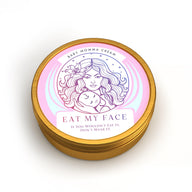
The Unscented Tallow Soap Bar is six ingredients, grass-fed tallow first, no fragrance and no essential oils, for face, body and hair. The Baby & Momma Cream is the fragrance-free one, built on grass-fed beef tallow, shea butter, cocoa butter, arrowroot powder, sea buckthorn oil, vitamin E, jojoba oil, fractionated coconut oil and cetyl alcohol.
Sources
- Federal Trade Commission. 16 CFR § 260.10 – Non-toxic claims (Guides for the Use of Environmental Marketing Claims). Legal Information Institute, Cornell Law School.
- U.S. Food and Drug Administration. 21 CFR § 701.3 – Designation of ingredients. Legal Information Institute, Cornell Law School.
- American Academy of Dermatology. Dermatologists' top tips for relieving dry skin.
Ready to try it? Beef Tallow Baby & Momma Cream - Gentle Daily Moisture is in stock and ships fast — $24.99. 180 days to decide.


