

Natural Skincare for Sensitive Skin: Fewer Ingredients, Fewer Surprises
Natural skincare for sensitive skin works when the label is short, the fragrance is absent, and the fats in the jar are ones your skin already makes. That rules out most of the "clean beauty" aisle and points straight at grass-fed beef tallow: its oleic, palmitic and stearic acids are the same building blocks your own skin oil is made from, so reactive skin recognizes it instead of fighting it. Start with a fragrance-free tallow soap and a fragrance-free tallow cream, add nothing else for two weeks, and patch test anything new for seven to ten days first.
Here's the thing nobody selling a twelve-step routine will tell you: sensitive skin usually isn't asking for more. It's asking for less, done properly. Fewer ingredients, fewer surprises.
What "sensitive skin" actually means, and how common it is
Dermatology has a real definition for it. A 2019 review in Frontiers in Medicine describes sensitive skin as unpleasant sensations (stinging, burning, itching, tingling) in response to things that shouldn't provoke them. Translation: your skin throws a fit at stuff other people's skin ignores. A new face wash. Cold wind. The hotel soap.
It is also not a niche problem. The same review pulls together surveys in which roughly 60 to 70 percent of women and 50 to 60 percent of men report some degree of sensitive skin. In the United States the figures were 50.9 percent of women and 38.2 percent of men. In France, 85.5 and 74.8 percent. So if you've been quietly assuming you're the difficult one, relax. You're the majority.

The triggers that review lists are refreshingly ordinary: weather, air conditioning, cleaning products, personal care products, clothing. Look at the middle of that list. The products you buy to help your skin are one of the main reasons it's upset. Which is why the label matters more than the marketing.
Natural skincare for sensitive skin: three rules for reading the label
"Natural" on the front of a box is not a regulated word, and sensitive skin can't read marketing anyway. It reads ingredients. So do that.
Rule 1: The whole list should be short enough to say out loud
Every ingredient is one more thing your skin has to get along with. Our Unscented soap bar has six: grass-fed beef tallow, water, sodium hydroxide (the lye that turns fat into soap and gets used up doing it), coconut oil, cocoa butter, shea butter. You can say that in one breath. Now try it with the back of a typical "gentle" body wash. If you run out of air before you run out of ingredients, you have your answer. We wrote up the nine natural ingredients that actually earn their spot on a label if you want the long version. And when the front of the jar says "non-toxic," our five-point label test for non toxic skin care products is the fast way to check it.
Rule 2: "Fragrance-free" beats "unscented"
These are not the same words. The American Academy of Dermatology recommends products labeled "fragrance-free" and warns that "unscented" products can contain chemicals that mask the smell of other ingredients, and those maskers can irritate dry, sensitive skin. It's a sneaky loophole. Our bar happens to be called Unscented, so let's be precise about it: no fragrance added, no essential oils, no masking agents. Nothing in it needs hiding.
Rule 3: Pick fats your skin already makes, then patch test anyway
Your skin's own oil is built largely from three fatty acids: oleic, palmitic and stearic. Grass-fed beef tallow is built from the same ones. A 2024 scoping review in Cureus describes tallow as rich in triglycerides of oleic, palmitic, stearic and linoleic acid, carrying vitamins A, D, K, E and B12, with hydrating and moisturizing properties. Shea butter and jojoba oil sit in the same "your skin recognizes this" category, which is why both appear on the AAD's own list of ingredients to look for in a moisturizer.
Then patch test regardless, because sensitive skin gets a vote. The AAD's method: pick a quarter-sized spot where the product won't rub off, like the underside of your arm or the bend of your elbow, and apply it at normal thickness twice a day for seven to ten days. Red, itchy or swollen means no. Nothing means it's cleared for your face.

Is beef tallow good for sensitive skin?
Yes, and the reason is structural rather than mystical. Most moisturizers are water-based lotions held together with emulsifiers and preserved with things that have to be there because water is there. A tallow balm skips all of it. It's fat, top to bottom: no water, no preservative system, no emulsifier your skin has to tolerate along the way. What's left is the part that actually moisturizes.
The people who find us are usually the ones who've been burned, sometimes literally, by fragrance, alcohol and forty-ingredient mystery creams. Tallow is the opposite bet. The fatty acids match your skin's own, the vitamins come along for the ride, and there is no perfume in the way. We went deep on why tallow feels like it belongs on skin, and the beef tallow for skin guide collects the research if you like footnotes.
Does the grass-fed part matter for sensitive skin?
More than it sounds. Ours comes from 100 percent pasture-raised cattle, rendered gently and never bleached or deodorized, then made into soap and balm in small batches in Eugene, Oregon. Short supply chain, short ingredient list. Sensitive skin appreciates both. If your sensitive skin leans eczema-prone, our guide to beef tallow for eczema-prone skin — babies to adults — picks up where this one stops.
Tallow soap for sensitive skin: the bar matters as much as the cream
Most people with sensitive skin obsess over the moisturizer and ignore the thing they wash with twice a day. That's backwards. Cleansing is where skin gets stripped, and stripped skin is reactive skin. If you change one product this month, change the soap.
What a tallow bar does differently
Detergent bars and body washes are engineered to remove oil, and they are very good at it. Too good. They take your skin's own lipids out with the dirt, and then a second product has to put moisture back. A tallow bar cleans while leaving skin comfortable instead of squeaky, because the fats it's made from are the ones skin wanted in the first place. Ours lathers creamy, rinses clean, and works on face, body and hair. It does less, better.
Then there's the pH question, which comes up constantly. Every true soap sits on the alkaline side, tallow soap included; that's what lye does. Healthy skin runs mildly acidic and settles back there on its own after a wash. What separates a tallow bar from a stripping one is what's left on your skin after the rinse, and we unpacked the whole thing in why most soap dries your skin out, and what tallow soap changes.
Tallow soap vs shea butter or almond oil soap for sensitive skin
You don't have to choose. Our Unscented bar carries shea butter and cocoa butter alongside the tallow, so you get the plant butters and the fat whose profile most closely matches your own. And the thing that decides whether a bar suits sensitive skin usually isn't the headline fat anyway. It's whether the maker added a scent. Plenty of lovely shea bars come with a lavender blend on top, and that blend is where reactive skin tends to get its opinion in.
A three-step routine for sensitive skin you'll actually keep
Sensitive skin doesn't need a routine so much as a habit. Here's the whole thing.
Cleanse, morning and night. Fragrance-free tallow bar, warm water rather than hot, and keep showers to the five to ten minutes the AAD recommends. Pat dry. Don't scrub; you're not cleaning a pan.
Moisturize while your skin is still damp. Creams and balms hold moisture in skin better than lotions do, per the AAD, and damp skin is when they work hardest. Warm a small amount between your fingers and press it in. A little tallow goes a long way. If your face looks like a glazed donut, you used too much.
Introduce anything new one at a time. Patch test for seven to ten days, then add it. Two weeks later, add the next thing if you must. Sensitive skin loves boring. Give it boring.

If redness is your particular flavor of sensitive, we have a separate guide to natural moisturizers for redness-prone, reactive skin.
And if retinol is part of your routine, our sunscreen for retinol users guide explains why the mornings after call for a mineral SPF.
Quick answers
Is beef tallow good for sensitive skin?
Yes. Grass-fed beef tallow is made of the same fatty acids your skin's own oil is built from, oleic, palmitic and stearic, and it carries vitamins A, D, K and E. A tallow balm has no water in it, so it needs no preservative system and no emulsifier. Fewer things in the jar means fewer things for reactive skin to object to.
What is the best natural moisturizer for sensitive skin?
A fragrance-free cream or balm with a short list built on fats your skin recognizes: grass-fed tallow, shea butter, cocoa butter, jojoba oil. Skip anything that lists "fragrance" or "parfum" as a single catch-all word. Then apply it to damp skin, which is where the AAD says moisturizers work best.
Is tallow soap good for sensitive skin?
Yes, especially a fragrance-free bar. Ours has six ingredients, no essential oils and nothing added to mask a scent, and it cleans without leaving skin tight or squeaky. Because it's the product you use twice a day, it's usually the swap that makes the biggest difference.
What's the difference between "fragrance-free" and "unscented"?
"Fragrance-free" means no fragrance was added. "Unscented" can mean fragrance was added to cover up other smells, and the AAD warns those masking chemicals can irritate dry, sensitive skin. Read the ingredient list either way. If "fragrance" or "parfum" appears, the front of the box doesn't matter.
How do I patch test a new skincare product?
Use the AAD method: pick a quarter-sized spot where it won't rub off, like the underside of your arm or the bend of your elbow, and apply the normal amount twice a day for seven to ten days. Red, itchy or swollen skin means it's not for you. No reaction means it's cleared for your face.
Does tallow soap strip sensitive skin?
No. A tallow bar is a real soap, so it sits on the alkaline side like any bar made with lye, but it leaves skin comfortable rather than squeaky because it's made from the fats skin wanted in the first place. It moisturizes while it cleans, which is the whole point of using one.
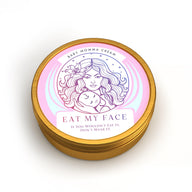
Start at the sink. The Unscented Beef Tallow Soap Bar is the six-ingredient, fragrance-free bar this whole post has been describing: grass-fed beef tallow, water, lye, coconut oil, cocoa butter and shea butter, made in small batches in Eugene, Oregon, for face, body and hair. The Baby & Momma Cream is the fragrance-free one, built on grass-fed beef tallow, shea butter, cocoa butter, arrowroot powder, sea buckthorn oil, vitamin E, jojoba oil, fractionated coconut oil and cetyl alcohol.
Sources
- Farage MA. The Prevalence of Sensitive Skin. Frontiers in Medicine, 2019. PMC6533878
- Russell MF, Sandhu M, Vail M, Haran C, Batool U, Leo J. Tallow, Rendered Animal Fat, and Its Biocompatibility With Skin: A Scoping Review. Cureus, 2024. PMC11193910
- American Academy of Dermatology. How to test skin care products. aad.org
- American Academy of Dermatology. Dermatologists' top tips for relieving dry skin. aad.org
Ready to try it? Beef Tallow Baby & Momma Cream - Gentle Daily Moisture is in stock and ships fast — $24.99. 180 days to decide.


