

Organic Grass-Fed Tallow Soap: How to Read the Label Before You Buy
Organic grass-fed tallow soap is two claims on one box, and only one of them is regulated. "Grass-fed" tells you how the cattle behind the tallow were raised. "Organic" carries no legal weight on a soap unless it comes with a USDA Organic seal, because the FDA does not define or regulate the word for cosmetics at all. So skip the badge and read the list: grass-fed beef tallow first, five or six ingredients you recognize, scent from essential oils or nothing, no palm oil, no sulfates, no "fragrance." Our Unscented Tallow Soap Bar is that list exactly: grass-fed beef tallow, water, sodium hydroxide, coconut oil, cocoa butter and shea butter, made in small batches in Eugene, Oregon.
That is the whole answer. The rest of this page is what those words on a label actually mean, why the tallow matters more than the badge, and how to get the most out of a bar once it is in your shower.
What "organic grass-fed tallow soap" means on a label (legally, not vibes)
Here is the part most soap listings hope you never look up. The FDA, which regulates cosmetics, does not define or regulate the term "organic" for cosmetics, body care or personal care products. The USDA does, through its National Organic Program, and a soap can qualify because tallow, coconut oil and shea butter are all agricultural ingredients. The catch is that the farm, the handler and the manufacturer of the finished bar must all be certified by a USDA-accredited agent before the word earns its place on the front of the box.
Once certified, a soap falls into one of four tiers. The percentages exclude water and salt:
- "100 percent organic": every ingredient organically produced. May carry the USDA Organic seal.
- "Organic": at least 95 percent organic ingredients. May carry the seal.
- "Made with organic ingredients": at least 70 percent. No seal, but the label can name up to three organic ingredients on the front.
- Under 70 percent: the word "organic" cannot appear on the principal display panel at all.

Private eco-labels and foreign organic standards sit outside all of this; the USDA says plainly that it does not regulate them. So a bar that says "organic" with no seal and no certifier's name is making a promise, not meeting a standard. It might be a lovely bar. You just can't tell from the word.
We sell our soap on the ingredient list, not on a badge. The list is the thing a seal is supposed to stand for: where the fat came from, what else is in the bar, and nothing you'd need to look up. You can check it yourself in the time it takes to read this sentence.
Is grass-fed the same as organic?
No, and the difference is useful. Grass-fed describes what the cattle ate. Organic describes how the whole supply chain was certified. A soap can be one, both or neither. For a tallow bar, the grass-fed line is the one that tells you about the fat itself, and the fat is the ingredient doing the work.
Why the grass-fed tallow is the part worth paying for
Tallow has been a soap ingredient for about as long as soap has existed. A 2024 scoping review in Cureus puts it plainly: rendered beef fat "has long been used as a neutral cooking fat, ingredient in soaps, biofuel product, and now ingredient in skincare products." The same review describes tallow as rich in triglycerides, specifically oleic, palmitic, stearic and linoleic acids, carrying vitamins A, D, K and E, and it notes the similarities between the composition of tallow and the composition of skin.
That overlap is why a tallow bar feels different from a detergent bar. Your skin's own oil is built from many of the same fatty acids, so the lipids a tallow bar leaves behind are ones your skin already knows what to do with. It is the same reason grass-fed beef tallow works so well as a moisturizer, which we get into in tallow skincare benefits and the full beef tallow for skin guide.
Our tallow comes from grass-fed cattle and is gently rendered, never bleached and never deodorized, so it keeps the fats and fat-soluble vitamins the cow put there. It goes into the bar as the first and biggest ingredient, not as a garnish behind palm oil. The story of how a keto-cookie founder ended up making soap is over here if you want the long version.
What does grass-fed tallow soap leave on your skin?
Two things a detergent bar can't. First, unsaponified fat. A handmade bar like ours is "superfatted," meaning the recipe holds a little more fat than the lye can convert, so a small share of tallow, shea and cocoa butter stays as fat and transfers to your skin as you wash. Second, glycerin, which saponification produces on its own and which is a humectant: it draws water toward the skin. Big commercial soap makers often pull the glycerin out to sell separately. A small-batch tallow bar keeps it.
How to read a tallow soap label in five seconds
Ingredients on a cosmetic label are listed in descending order by weight, which makes the first line the only one that matters for a tallow bar. If tallow isn't first, you're buying a coconut or palm bar with a tallow accent. From there it goes quickly:
- Tallow first, and named. "Grass-fed beef tallow" beats "tallow," which beats "sodium tallowate" tucked into the middle of a list. Sodium tallowate is just saponified tallow, so it is fine to see, but where it sits in the list tells you how much of it is there.
- A short list. Our unscented bar is six ingredients. The scented bars add essential oils and nothing else. Once a list runs past ten, ask what the other four are doing.
- Lye, named plainly. Every real soap is made with sodium hydroxide. It reacts completely with the fat, so there is none left in a properly cured bar, and a maker who says so on the label is being straight with you. "Lye-free soap" is either a detergent or a fib.
- Scent you can name. Orange, bergamot, peppermint, spearmint, or nothing. The single word "fragrance" can stand for a blend the brand does not have to disclose.
- What's missing. No sulfates, no palm oil, no dyes, and no "organic" on the front with no seal behind it.

Run that test on the Citrus bar: the same grass-fed tallow base, scented with orange, bergamot and ylang ylang essential oils, and nothing synthetic anywhere on the box. Every line is a thing you could point to.
Tallow soap benefits: what a grass-fed bar changes about washing
Healthy skin sits slightly acidic, at a pH of about 5.4 to 5.9. A 2014 study that measured store-bought bars found most of them landing at pH 9 to 10, and it noted that washing with high-pH soap pushes skin pH up, which shows up as dryness and irritability. Every real soap is alkaline, ours included. That is exactly why what the bar leaves behind decides how your skin feels twenty minutes later.
A detergent bar cleans and leaves. A superfatted grass-fed tallow bar cleans, then leaves behind fatty acids your skin recognizes and the glycerin it made along the way, so skin settles back to normal without the tight, squeaky stage. The bar is built so you're not chasing it with lotion every time. The chemistry is in why soap dries your skin and the science of tallow soap, and it's the reason we put a tallow bar at the start of a routine for skin that's starting to show its age.
Does tallow soap strip your natural oils?
Any cleanser lifts some oil; that is the job. What a tallow bar does differently is deposit fat that is close kin to the oil it lifted, so you finish the shower closer to even than you would with a foaming detergent bar. Your skin feels clean and calm, not scrubbed.
Is grass-fed tallow soap good for sensitive or dry skin?
It is the bar we'd hand someone whose skin complains about everything. The unscented version has no essential oils, no fragrance and nothing to mask. The American Academy of Dermatology's dry-skin advice lines up with how it's meant to be used: a gentle cleanser, warm water, short showers, moisturizer on damp skin.
How to use a grass-fed tallow soap bar (face, body, hair)
Our bars are labeled for face, body and hair. The routine that gets the most out of one is short:
- Lather in your hands, not on your face. Warm water, not hot. The AAD puts the ideal bath or shower at five to ten minutes, and says to use enough cleanser to lift dirt and oil without chasing a thick lather. A tallow bar gives a dense, creamy lather rather than a mountain of foam, which is the point.
- Rinse, then pat to damp. Don't towel yourself bone-dry. Damp skin is the setup for the next step.
- Moisturize within a minute. The AAD's advice is to apply moisturizer while skin is still damp after a shower or hand-washing. A fingertip of grass-fed tallow balm on damp skin locks that water in. We settle the balm-versus-bar question in tallow balm vs tallow soap.

Then park the bar on a draining dish. A tallow bar that dries out between showers lasts four to six weeks of daily use. One that sits in a puddle turns to pudding, and you'll blame the soap.
Which grass-fed tallow soap bar to pick
We make three. All are 4.5 oz, all are built on the same grass-fed beef tallow base, and all are made in small batches in Eugene, Oregon:
- Unscented: six ingredients, no essential oils. The one for reactive skin and fragrance-free households.
- Citrus: orange, bergamot and ylang ylang essential oils. Morning-shower soap.
- Mint: peppermint and spearmint essential oils, a cooling tingle, our post-workout favorite.
Can't choose? The three-bar sampler is all of them for less than three singles, and our ranked guide to the bars we make goes deeper on who uses which.
Quick answers
Is tallow soap organic?
Only if it carries a USDA Organic seal and a certifier's name. The FDA does not regulate the word on cosmetics, and the USDA does not regulate private eco-labels. Most small-batch tallow soaps are not USDA-certified, and we don't claim ours is, so read the ingredient list and the sourcing line instead. Those you can verify yourself.
Does tallow soap clean well?
Yes. Saponified tallow is real soap, so it lifts dirt, sweat and oil the way any bar does. The lather is dense and creamy rather than foamy, and it rinses clean without the squeaky, tight feeling, because the bar deposits a little fat and glycerin as it goes.
Is grass-fed tallow soap good for your face?
It is what our bars are designed for, along with body and hair. Tallow's fatty acids overlap with the ones in your skin's own oil, so the bar cleans without leaving your face feeling stripped. If your skin is reactive, start with the unscented bar and follow with a tallow balm on damp skin.
Can you use tallow soap on your hair?
Yes. All three of our bars are labeled for face, body and hair. Work the lather through wet hair and rinse well. If your water is hard, rinse a beat longer, because real soap and hard water can leave a light film. Give your hair a few washes to adjust if you're coming off a detergent shampoo.
Does tallow soap smell like beef?
No. Well-rendered tallow is close to odorless, and our unscented bar smells like clean, faintly creamy nothing. Our tallow is gently rendered and never deodorized, so there is no beefy note to cover, which is why the scented bars need only essential oils.
How long does a tallow soap bar last?
About four to six weeks of daily use for a 4.5 oz bar, as long as it dries out between showers. A draining soap dish is the single biggest thing you can do to stretch it. A bar left in standing water softens and goes fast.
Six ingredients. Grass-fed beef tallow is the first one.
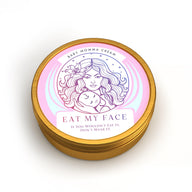
The Unscented Tallow Soap Bar is $13.99 for a 4.5 oz bar, made in small batches in Eugene, Oregon, and in stock today. Pair it with a moisturizer for after the shower. The Baby & Momma Cream is the fragrance-free one, built on grass-fed beef tallow, shea butter, cocoa butter, arrowroot powder, sea buckthorn oil, vitamin E, jojoba oil, fractionated coconut oil and cetyl alcohol.
Sources
- Tarun J, Susan J, Suria J, Susan VJ, Criton S. Evaluation of pH of Bathing Soaps and Shampoos for Skin and Hair Care. Indian Journal of Dermatology, 2014 (PMC4171909)
- Russell MF, Sandhu M, Vail M, Haran C, Batool U, Leo J. Tallow, Rendered Animal Fat, and Its Biocompatibility With Skin: A Scoping Review. Cureus, 2024 (PMC11193910)
- USDA Agricultural Marketing Service, National Organic Program. Cosmetics, Body Care Products, and Personal Care Products (fact sheet)
- American Academy of Dermatology. Dermatologists' top tips for relieving dry skin
Ready to try it? Beef Tallow Baby & Momma Cream - Gentle Daily Moisture is in stock and ships fast — $24.99. 180 days to decide.


