

What Is Beef Tallow Used For? Kitchen, Skin, and the One Job It Can't Do
Beef tallow — rendered beef fat, usually from suet, the hard fat around the kidneys — is used for six things: high-heat cooking, skincare, soap making, candles, seasoning cast iron and conditioning leather, and industrial jobs like biodiesel and animal feed. On skin it works as an occlusive moisturizer: it sits on the surface, slows water loss, and leaves dry skin feeling softer and less tight. What beef tallow is not used for is sun protection. Plain tallow carries no meaningful SPF, and no amount of it does what a zinc oxide filter does.
That's the whole answer. The rest of this is the part search results usually skip: which of those uses actually hold up, which ones are nostalgia, and where tallow gets oversold — including by people who sell it. We render this stuff for a living, so we've learned the limits the expensive way.
What is beef tallow used for? The short list
- Cooking. A stable frying and roasting fat that takes high heat without breaking down. It's what most American fryers ran on until around 1990.
- Skincare. Moisturizers, body balms, face creams. The fastest-growing use, and the reason you're probably here.
- Soap. Tallow makes a hard bar with a dense, creamy lather. Check a drugstore bar's ingredient list — "sodium tallowate" is right there.
- Candles. The original candle fat, centuries before paraffin showed up.
- Cast iron and leather. A thin coat seasons a skillet or softens boots, saddles and work gloves.
- Industrial. Biodiesel, lubricants, livestock feed. Most rendered beef fat in the US never gets anywhere near a human face.
What is beef tallow, exactly?
Beef fat, melted down and strained. No solvents, no bleaching, no deodorizing — which is the whole point, and also why quality varies so wildly between jars. The good grade starts as suet, the firm fat packed around the kidneys and loin. Suet renders paler, sets harder, and smells like almost nothing. Trim fat from elsewhere on the carcass renders softer and beefier, which is fine for a skillet and terrible on your cheekbones.
Heat is the other variable. Rendered slow and low, tallow comes out cream-colored and close to neutral. Rushed over high heat, it browns, and that beefy smell is permanent. If a tallow balm smells like a Sunday roast, that isn't "natural" — that's a rendering mistake somebody jarred anyway.

What is beef tallow used for in the kitchen?
Frying, roasting, and anything you want crisp. It handles high heat well, it doesn't turn rancid quickly, and it does things to potatoes that no seed oil manages. It's also roughly half saturated fat, and whether that's good or bad for you is an argument we're staying out of — we make skincare, not dietary advice. Ask your doctor, not a skincare blog.
Beef tallow for skin: what it actually does
Two mechanisms, and only two. First, occlusion: tallow forms a soft, breathable film that slows how fast water evaporates out of your skin. Second, lipid replenishment: it delivers fatty acids — mostly oleic, palmitic and stearic — into the top layer of the stratum corneum. A 2024 scoping review in Cureus gathered the published literature on tallow and skin and found solid evidence of biocompatibility, alongside a blunt admission that almost none of the research uses human subjects and the exact penetration mechanism is still unknown.
In practice that shows up as: dry patches that stop feeling papery, hands that survive a winter, a face that isn't tight two hours after washing. Undramatic, repeatable, and honestly what most people are after. We wrote a longer breakdown of the mechanism in tallow skincare benefits, and the day-to-day version in what a tallow moisturizer actually does.
Does beef tallow really work for wrinkles?
Partly, and not the way the ads imply. Dehydrated skin exaggerates fine lines — that's optics, not aging — and any decent occlusive softens the look of them within days. That effect is real. It's also temporary, and it lasts exactly as long as you keep moisturizing.
What tallow does not do is change the collagen underneath. There's no clinical evidence that it alters wrinkle depth, and anyone showing you a dramatic before-and-after is showing you better hydration and better lighting. If deep lines are the actual goal, the two things with real evidence behind them are daily sun protection and the actives a dermatologist can point you toward, neither of which comes in a tallow jar. What collagen actually does, why it fades, and what protects it gets its own plain-language guide: skin and collagen — what actually helps. Same honesty applies to marks and old scars — we laid out what tallow can and can't do in our post on tallow and scars, and the short version is that silicone beats us.
What beef tallow is not
Here's the paragraph our marketing team would rather we deleted. Tallow gets sold as "identical to your skin's own sebum." It isn't. Human sebum contains squalene — around 12% of the lipid film on adult skin, and so distinctive that a survey of primate skin lipids found it missing from the main genera of non-human primates — plus wax esters that cattle simply don't produce.
Your barrier itself is a different mixture again. By weight, stratum corneum lipids run roughly 50% ceramides, 27% cholesterol and 10% free fatty acids. Tallow brings you that last slice, plus the seal on top. It brings no ceramides, no cholesterol worth counting, no squalene and no wax esters.

So "biocompatible" is a fair word. "Identical" is a stretch, and now you can tell which brands are reading the research and which are copying each other's homepage. If you have eczema or any diagnosed skin condition, talk to your dermatologist before changing your routine — a moisturizer is a moisturizer, not medicine.
Beef tallow for hair
This one surprised us. Tallow works on hair the same way it works on skin — as a sealant — which makes it genuinely useful on a dry, flaky scalp and on split, frizzy ends, and close to useless everywhere in between. Beef tallow hair cream is having a moment for one reason: over-shampooed hair is starved of lipids, and this puts them back.
The catch is dosage. A pea-sized amount, warmed between your palms, worked through damp ends only. Any more and you'll spend two washes getting it out. Fine hair should probably skip it altogether. The full routine, scalp version included, is in is beef tallow good for hair.
Sunburn, sunscreen, and the one job tallow can't do
Is beef tallow good for sunburn?
After the burn has cooled, yes — as a moisturizer, not as a rescue. The American Academy of Dermatology's guidance is to get out of the sun, take cool showers, then apply a moisturizer while the skin is still damp, reaching for aloe or soy if you want something soothing. Tallow's job is that last step: seal the water in so the skin stays comfortable and flakes less a week later.
Timing is the whole trick. A thick occlusive on skin that's still radiating heat traps that heat, which is the opposite of helpful. Wait until the skin is cool to the touch, dampen it, then seal. And if it blisters, that's a second-degree burn — see a doctor, and keep every balm away from broken skin.

Can beef tallow be used as sunscreen?
No, and this is where a lot of tallow content goes off a cliff. Sun protection requires a UV filter. Tallow isn't one — it's a fat, and its SPF rounds to nothing. The homemade "tallow sunscreen" recipes circulating on social media are, at best, an expensive moisturizer you wear to the beach.
The filter is what earns the number. Our SPF 30 mineral sunscreen gets its rating from non-nano zinc oxide; the tallow is the base carrying it, nothing more. Worth knowing: zinc oxide doesn't bounce UV away like a tiny mirror, despite what half the internet says — it absorbs the great majority of what hits it. We went deep on all of this in does beef tallow work as sunscreen.
How to choose the best beef tallow
Four things, in order of how much they matter:
- Grass-fed and suet-sourced. Grass-fed fat carries more vitamin content and a better fatty-acid ratio, and suet renders cleaner than trim.
- Color and smell. Pale cream, near-odorless. Yellow and beefy means it was rendered too hot, or from the wrong fat.
- A short ingredient list. Tallow, maybe one carrier oil, maybe an essential oil. If there's a paragraph of ingredients, you're paying tallow prices for lotion.
- Glass or a proper airless container. Fat oxidizes. Light and air are what turn a good jar into a stale one.
Culinary tallow and skincare tallow aren't interchangeable, either. Kitchen-grade is rendered for flavor and cost; skincare-grade is rendered for neutrality. You can cook with the second one. You won't enjoy wearing the first.
Want the skincare version, minus the frying pan?
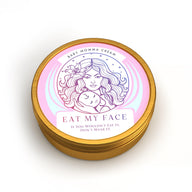
Our Original Beef Tallow Moisturizer is grass-fed suet rendered low and slow, then blended with organic oils and a short list of things you can actually pronounce. Two fingertips, damp skin, done. Dry patches first, face last.
Quick answers
What is beef tallow used for most often?
By volume, industrial uses win — biodiesel, livestock feed and lubricants consume most of the rendered beef fat in the US. By consumer visibility, it's cooking and skincare, with soap a close third. The skincare share is the one growing fastest.
Is beef tallow good for skin?
For dry, tight or wind-beaten skin, yes. It's an occlusive that slows water loss and delivers fatty acids similar to the ones your skin already produces. If your skin runs oily and congests easily it's a coin flip, so patch test on your jawline for a week before you commit.
Does beef tallow really work for wrinkles?
It softens the appearance of fine lines by rehydrating the skin around them, which is real but temporary. It does not change the collagen beneath them, and no published study shows it altering wrinkle depth. Treat it as a moisturizer that flatters, not a structural fix.
Can beef tallow be used as sunscreen?
No. Tallow contains no UV filter and its SPF is negligible. Sun protection comes from an active like zinc oxide; tallow can carry that active beautifully, but on its own it's a moisturizer you happen to be wearing outdoors.
Is beef tallow good for sunburn?
Once the skin has fully cooled, a thin layer helps it stay comfortable and flake less. Don't apply it while the skin is still hot, because an occlusive traps heat, and keep it off broken skin. If blisters appear, see a doctor rather than reaching for a balm.
Is beef tallow good for hair?
On a dry scalp and on split ends, yes, used sparingly. A pea-sized amount on damp ends is plenty. On fine or already-oily hair it's too heavy, and you'll need two washes to undo it.
What should I look for in the best beef tallow?
Grass-fed, suet-sourced, pale in color, close to odorless, and a short ingredient list. Skincare-grade tallow is rendered slowly for neutrality; kitchen-grade is rendered for flavor and cost. Buying the wrong one is the most common first mistake.
Sources
- Tallow, Rendered Animal Fat, and Its Biocompatibility With Skin: A Scoping Review — Cureus, 2024.
- Wertz PW. Lipids and the Permeability and Antimicrobial Barriers of the Skin — Journal of Lipids, 2018. (Stratum corneum lipid proportions.)
- Surface Lipids as Multifunctional Mediators of Skin Responses to Environmental Stimuli — Mediators of Inflammation, 2010. (Squalene levels, and its absence in non-human primates.)
- American Academy of Dermatology. How to treat sunburn.
Ready to try it? Beef Tallow Baby & Momma Cream - Gentle Daily Moisture is in stock and ships fast — $24.99. 180 days to decide.


