

7 Tallow Slugging Mistakes That Keep It From Working (and the Easy Fixes)
Last updated: July 2026
Slugging is simple — a thin occlusive layer as the last step of your nighttime routine — but most people who say "slugging broke me out" or "slugging did nothing" are making one of seven fixable mistakes: slugging on unwashed or bone-dry skin, using too much, doing it every night, sealing in strong actives like retinol, slugging in humid weather, or expecting the seal itself to feed their skin. Here's how to fix each one, tallow edition.
New here? Start with our first slugging guide — what tallow slugging is and how it compares to petroleum jelly — or zoom all the way out with the complete beef tallow for skin guide.
Since we published that first tallow slugging post, the replies have split neatly into two camps. Camp one: "I tried slugging and woke up with the best skin of my life." Camp two: "I tried slugging and my face is now both greasy and angry. Explain."
Camp two, this one's for you. Slugging is a one-move technique, which means there are only about seven ways to get it wrong — and people reliably find all seven. The good news: every single one has an easy fix, and none of them require buying anything new. Let's go through them in the order your evening does.
Mistake #1: Slugging on unwashed skin
An occlusive layer seals in everything underneath it — moisture, yes, but also today's sunscreen, sweat, city air, and whatever your pillow contributed last night. Slug over that mix and you've laminated the day onto your face. This is the single biggest reason slugging gets blamed for breakouts.
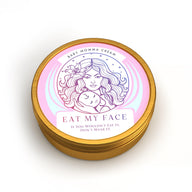
The fix: cleanse first, every time. Keep it gentle — you're about to protect your skin barrier, so don't sandblast it on the way in. A cream cleanser or a non-stripping bar like our Unscented Tallow Soap is plenty. Slugging is always the last step of a nighttime routine, never a substitute for one.
Mistake #2: Slugging on bone-dry skin
Here's the detail the trend videos skip: occlusives don't add moisture — they trap it. The technical term for what you're preventing is transepidermal water loss (TEWL), the slow overnight evaporation that leaves you waking up tight and flaky. But if there's no water in your skin when you seal it, you've locked the doors of an empty house.
The fix: slug on slightly damp skin. Dermatologists give the same advice for any moisturizer on dry skin — apply within a few minutes of washing, while there's still water to keep. Pat your face mostly dry, leave a whisper of dampness, then seal. That trace of water is the whole payload.

Mistake #3: Applying it like frosting
The name "slugging" oversells the required quantity by a lot. You are going for a film, not a mask. A visible white layer doesn't seal better than a thin one — occlusion doesn't stack — it just migrates to your pillowcase and your hairline, where it helps no one.
The fix: a pea-sized scoop of tallow for the whole face, warmed between your fingertips until it turns to a glossy oil, then pressed on in a thin, even layer. If someone can tell from across the room that you slugged, take some back. You should look dewy, not glazed. (We say this with love, as a company whose banner image for this post is a donut.)
Mistake #4: Slugging every single night on autopilot
"How often should you slug?" is the most-asked slugging question there is, and the honest answer is: less often than the trend implies. For most people, one to three nights a week is the sweet spot. Nightly slugging makes sense for genuinely dry skin in genuinely dry air — deep winter, desert climates, long-haul flights. Oily skin may never need to slug at all, and normal skin doing it nightly in mild weather is mostly just taxing pillowcases.
The fix: treat slugging as a response, not a ritual. Tight, flaky, dehydrated skin? Slug tonight. Skin feels fine? Your regular thin layer of night cream is enough. Your skin votes every morning — count the ballots.
Mistake #5: Sealing in your retinol
Occlusion drives whatever's underneath it deeper and holds it there all night. With water, that's the whole point. With a retinoid or an exfoliating acid, it effectively turns the dose up — which sounds like a productivity hack and feels like a sunburn. Irritation, redness, and peeling from "slugging over tretinoin" are so common that dermatologists warn about it almost every time slugging comes up.
The fix: separate the nights. Actives on Monday, slug on Tuesday. If your skin is mid-flare from an active you already used this week, plain slugging on clean, damp skin is actually a kind night — just don't stack the two. (More cautions like this in the first guide's who-should-skip list.)
Mistake #6: Slugging through a humid summer
Slugging is a dry-air tool. On a swampy July night, your skin isn't losing much water to the atmosphere — the atmosphere is basically donating — so an occlusive layer buys you nothing except heat, shine, and sealed-in sweat. That's also the setup for the clogged-pore complaints that spike every summer.
The fix: read the room, or more precisely the dew point. Save slugging for radiator season, aggressive AC, ski trips, and airplanes. If it's humid and your skin still feels dry, fix the cleanser first (see mistake #1) before reaching for a heavier seal.
Mistake #7: Expecting a plain seal to do a moisturizer's job
This one is less "you're doing it wrong" and more "you were promised the wrong thing." A classic petroleum jelly slug is an excellent seal and nothing else — petrolatum is deliberately inert, which is part of why it's so well tolerated. It holds moisture in; it contributes nothing of its own. That's not a scandal, it's the design.
The fix: match the occlusive to the job. If you just need a tarp, petroleum jelly is a very good tarp. If you want the overnight seal and raw material your skin recognizes, that's where grass-fed beef tallow earns its spot: the same stearic, palmitic, and oleic fatty acids found in your skin's own sebum, plus fat-soluble vitamins A, D, E, and K — a moisture seal that doubles as a nutrient layer. We walked through the full head-to-head in tallow vs. petroleum jelly slugging, and the science of why sebum-like lipids work in tallow vs. lotion.
Symptom checker
| Morning-after symptom | Likely mistake | Fix |
|---|---|---|
| New breakouts or congestion | #1 unwashed skin, #6 humid weather | Cleanse first; skip humid nights |
| Still tight and dry | #2 sealed dry skin | Slug on damp skin |
| Greasy pillowcase, greasy hairline | #3 too much product | Pea-sized, pressed thin |
| Dull, overloaded, "over-moisturized" | #4 slugging nightly | Drop to 1–3 nights a week |
| Stinging, red, peeling | #5 sealed-in actives | Separate slug nights from retinol nights |

Quick answers
Is it bad to slug every night?
Not dangerous — just usually unnecessary. Nightly slugging suits very dry skin in very dry air. For everyone else, one to three nights a week delivers the benefit without the buildup, and oily skin may do better never slugging at all.
Does slugging cause acne?
Slugging doesn't create acne out of nothing, but it concentrates whatever was already happening on your skin. Slugging over an unwashed face, in humid weather, or on already-congested skin can absolutely push things in the wrong direction. Acne-prone? Cleanse well, slug thin, start one night a week — or read our honest look at tallow and acne-prone skin first.
Should you slug on damp or dry skin?
Damp. An occlusive traps the moisture that's present when you apply it, so pat your face mostly dry after cleansing and seal within a few minutes. Sealing bone-dry skin is the most common reason people report that slugging "did nothing."
What's a natural alternative to Vaseline for slugging?
Grass-fed beef tallow is the closest like-for-like: rich in the occlusive fatty acids that form a real moisture seal (stearic and palmitic acid), but sourced from a fat whose lipid profile overlaps with human sebum and that carries vitamins A, D, E, and K. It seals slightly less airtight than petrolatum and gives considerably more back.
The tin built for slug night
Our Nighttime Restorative Cream ($24.99) is the purpose-built tallow slug: grass-fed tallow for the seal, cocoa and shea for richness, lavender-chamomile because it's bedtime. Fragrance bother you? The Original does the same job and works morning and night.
Ready to slug it right?
Pea-sized scoop, damp skin, one to three nights a week. If it doesn't work for your skin, we'll make it right — every tin comes with our 30-day money-back guarantee.
Want the bigger picture? Here's whether tallow can replace petroleum jelly for slugging, the two-step nighttime routine slugging slots into, and the full guide to beef tallow for your face.
Sources
Ready to try it? Beef Tallow Baby & Momma Cream - Gentle Daily Moisture is in stock and ships fast — $24.99. 180 days to decide.


