

Is Beef Tallow Non-Comedogenic? What "Clogs Pores" Really Means
Beef tallow is considered low on the comedogenic scale — about a 2 out of 5, meaning it has a low likelihood of clogging pores for most people. For contrast, coconut oil sits around a 4. The reason tallow tends to behave itself: its fatty-acid profile closely mirrors your skin's own sebum, so it's designed to absorb into skin rather than pool on top of it and trap gunk in a pore. That said — the comedogenic scale is a rough guide built on old lab tests, not a promise. Every face is different. Someone with fungal acne or a specific fat sensitivity can still react to something that's "low-comedogenic" on paper. So the honest answer is: tallow is low-clog for most skin, not zero-clog for all skin. Patch test a small spot for a few days first.
Is beef tallow comedogenic?
Not very. On the standard 0–5 comedogenic scale (0 = won't clog pores, 5 = highly likely to), beef tallow is generally rated around a 2 — the low-clog end. "Comedogenic" just means pore-clogging: a comedone is the plug of oil and dead skin that becomes a blackhead or whitehead. A rating of 2 says tallow is unlikely to form those plugs for most people. Why it lands low: tallow is structurally close to human sebum, so skin recognizes it and tends to absorb it instead of letting it sit and congest a pore. Important caveat — these ratings came from decades-old rabbit-ear and patch studies, so treat a "2" as a helpful signpost, not a personal guarantee. Every face is different; patch test first.
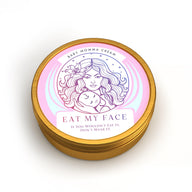
Does beef tallow clog pores?
For most skin, no — but let's be precise about why, because "does it clog pores" is the whole ballgame here. A pore clogs when oil and dead skin cells get trapped instead of clearing. Beef tallow's fatty acids (oleic, stearic, palmitic) are close cousins of the lipids your own skin makes, so tallow is more likely to absorb in and blend with your skin's barrier than to form a greasy film that seals a pore shut. That's the biocompatibility angle, and it's the single biggest reason tallow behaves differently from a heavy mineral oil or a high-lauric oil that just sits there. But "most skin" isn't "all skin." If your pores clog easily with any rich product, start with a pea-sized amount and one small area. Patch test first — every face is different.
What is the comedogenic rating of beef tallow?
Beef tallow's commonly cited comedogenic rating is around 2 on the 0–5 scale, where 0 means non-comedogenic (won't clog pores) and 5 means highly comedogenic. Here's the quick reference people actually want:
- 0–1: essentially non-clogging (e.g., shea butter, jojoba trend low)
- 2: low likelihood of clogging — beef tallow lands here
- 3–4: moderate-to-higher clog risk (coconut oil is often cited around a 4)
- 5: high clog risk
One honest asterisk: comedogenic ratings aren't standardized or regulated, and different sources list slightly different numbers because the original testing methods were crude. So a "2" is a well-supported ballpark, not a lab-certified fact about your skin. Use it to compare ingredients, then patch test the finished product.
Is tallow good for acne-prone skin?
Tallow is often chosen by people with acne-prone skin because it's low on the comedogenic scale (~2) — but let's be clear and compliant about what that does and doesn't mean. Tallow is not an acne treatment and won't "clear" or "cure" breakouts; it's a moisturizer, and no honest brand should claim otherwise. What acne-prone folks are actually after is a rich moisturizer that hydrates without adding a heavy pore-clogging layer — and a low-comedogenic, sebum-similar fat fits that brief better than a coconut-oil-heavy balm. The nuance: acne is complex, and one type in particular — fungal acne (malassezia folliculitis) — can flare from oils generally, tallow included. So "good for acne-prone skin" depends on your acne. Patch test a small area for several days and watch how your skin responds before going all-in.
Can tallow cause breakouts, and who should patch test?
Yes, it can — for some people — and pretending otherwise would be dishonest. Even a low-comedogenic ingredient isn't zero-risk. Here's the straight talk on who should patch test carefully (or skip tallow):
- Fungal-acne (malassezia) sufferers — that yeast feeds on certain skin lipids, so rich oils of any kind, tallow included, can trigger those uniform small bumps. Tallow is not a fungal-acne fix.
- Anyone whose skin clogs from every rich product — if heavy creams reliably break you out, introduce tallow slowly and small.
- People with a known beef/fat sensitivity — rare, but real; a patch test catches it.
- Brand-new-to-tallow users — just good practice.
How to patch test: dab a small amount on your inner forearm or jaw for 3–5 days and watch for bumps, redness, or irritation before applying to your whole face. Every face is different — a few minutes of testing beats a week of regret.
Tallow vs. coconut oil vs. other oils for clogging pores
Not all "natural oils" behave the same in a pore, which is exactly why the comedogenic scale exists. Quick clog-risk read:
- Beef tallow (~2): low clog risk; sebum-similar fatty acids absorb in rather than sitting on top.
- Coconut oil (~4): popular but higher clog risk for many faces — its high lauric acid content is a common culprit behind "I tried oil-cleansing and broke out."
- Shea butter / jojoba (low): generally low on the scale; jojoba is technically a wax ester close to sebum.
- Heavy mineral oil / some heavy plant butters (higher): can form an occlusive film that traps debris.
The takeaway isn't "oils bad, tallow good" — it's that fatty-acid profile determines clog risk, and tallow's happens to resemble your own skin's oil more than most. Our Original Beef Tallow Moisturizer is built on that idea: 55% grass-fed beef tallow, plus shea butter, cocoa butter, arrowroot (a light, mattifying starch), sea buckthorn, jojoba, fractionated coconut, vitamin E, and a trace of vanilla — no fillers you can't pronounce. If you wouldn't eat it, don't wear it. Still: patch test first. Every face is different.
Try it — patch-test friendly
Curious but cautious is the right instinct. Grab the Original Beef Tallow Moisturizer, dab a little on your jaw for a few days, and let your own skin cast the deciding vote. That's the whole test.
Ready to try it? Beef Tallow Baby & Momma Cream - Gentle Daily Moisture is in stock and ships fast — $24.99. 180 days to decide.


