

Tallow Lotion: How to Pick a Good Jar (and Use It Right)
Tallow lotion is a moisturizer built on rendered beef fat, and the best ones contain no water at all: grass-fed beef tallow first on the label, a short list of plant butters and oils behind it, and a texture closer to a soft balm than a pump lotion. It melts as you warm it between your fingertips and seals moisture in, which is why people with dry skin swear by it. To pick a good tallow lotion, read the label from the top, pass on anything with water listed first, and use a pea-sized amount on a damp face.
Everything below is the ten-second label read that sorts a great jar from a so-so one, plus how to use it so your face looks dewy instead of freshly buttered.
What tallow lotion actually is
Tallow is rendered beef fat. The fat is melted down slowly and strained until what's left is clean, firm and pale. People made soap and skin salves from it for a very long time before anyone thought to put a pump on a bottle.
Chemically, it's mostly triglycerides. A 2024 scoping review in Cureus lists tallow's main fatty acids as oleic, palmitic and stearic, in that order, with only a small share of polyunsaturated fat, and notes that it carries vitamins A, D, E and K. The same review describes tallow as having hydrating and moisturizing properties.
Here's why that matters for your face. Your skin makes its own oil, called sebum, and more than half of it is triglycerides and free fatty acids: 57.5% in the breakdown published in Dermato-Endocrinology. The outer layer of your skin also carries palmitic, stearic and oleic acids, the same trio that runs the show in tallow. That overlap is the whole biocompatibility argument in one sentence, and it makes tallow practically a cousin of what your skin already produces. Our beef tallow for skin guide goes deeper on the fatty-acid side.

Is tallow lotion actually a lotion?
Usually it's something richer. A true lotion is an emulsion, water and oil held together so it pumps and spreads thin. Most tallow lotion has no water in it, so it behaves like a soft balm: firm in the jar, silky once you warm it between your fingers. The American Academy of Dermatology puts the texture question plainly: "Ointments and creams add more moisture to skin and are more effective than lotions." A water-free tallow balm sits on the rich end of that scale. We broke down tallow vs. regular lotion side by side, and our beef tallow lotion explainer covers why dry skin loves it.
How to pick the best tallow lotion: five label checks
The ingredient list is the most useful thing on the jar, because it has to follow rules. U.S. labeling law requires cosmetic ingredients to be listed in descending order of predominance, so the first few names tell you what you're mostly paying for. Anything present at 1% or less can be listed in any order, which is why the head of the list matters far more than the tail.
1. Tallow comes first
If tallow is the headline, it should be the first word on the label. When it shows up fourth or fifth, behind water and a couple of plant oils, you're holding a regular moisturizer with some tallow in it. That can be a fine product. It's just a different product from the one you went looking for.
2. It says grass-fed
"Beef tallow" tells you the animal. "Grass-fed beef tallow" tells you what the animal ate, and that's worth seeing spelled out on the back of the jar. If a label only says "tallow," the maker hasn't told you where it came from. You're allowed to ask. Sourcing your own fat instead? See where to buy beef tallow — raw vs. ready-made, and what the label should say.
3. Water isn't on the list
Water (sometimes written "aqua") near the top means an emulsion, which is a real lotion. That's how you get a thin, pumpable feel, and it also means the formula needs a preservative system to stay stable. A water-free tallow balm skips both. With no water inside, there's very little for anything to grow in, which is why tallow skincare keeps for months without a fridge.
4. You can name the scent
Labeling rules let a company list its entire scent as a single word: "fragrance." Named oils, like lavender oil or chamomile oil, tell you exactly what you're going to smell. If you'd rather smell nothing, look for "fragrance-free" on the front and no scent oils on the back.
5. The rest of the list is short and familiar
After the tallow, you want ingredients you can picture as actual plants. Shea butter and cocoa butter add body and slip. Jojoba oil, technically a liquid wax, helps the balm spread; the AAD names both jojoba oil and shea butter among the ingredients worth looking for in a moisturizer. Arrowroot powder is a plant starch that takes the slick off the finish. Cetyl alcohol sounds alarming and isn't. It's a fatty alcohol that helps the texture hold together, a completely different animal from the alcohol in hand sanitizer.

Tallow lotion for face, body and dry hands
One jar covers all of it. You just change the dose.
Is tallow lotion good for your face?
Yes, and your face needs less than you'd guess. A pea-sized amount covers cheeks, forehead, nose and chin. Tallow is rich, so the move is to warm it, press it in and stop there. If it ever feels greasy, the fix is almost always less of it, not a different product. Plenty of people make it the last step of their night routine, when a richer layer has hours to settle in. If you want to compare options for your face specifically, our best beef tallow for face rundown ranks them.
What about tallow lotion for dry skin on the body?
Go straight from the shower. The AAD's advice is to apply moisturizer while your skin is still damp after a shower or bath, and after washing your hands. That's exactly when a water-free balm earns its keep: it seals in the water already sitting on your skin instead of bringing its own. Shins, elbows, heels and knuckles take a little more than your face does. For hands that crack every winter, here's our tallow balm routine for dry hands.
How to use tallow lotion so it sinks in
Three steps, about thirty seconds. Start with skin that's damp from cleansing or showering, patted so it isn't dripping. Scoop a pea-sized amount and warm it between your fingertips for a few seconds until it turns to oil. Then press it into your face and neck with upward motions rather than rubbing, and add a little extra to dry patches around the nose, forehead or under the eyes.

Storage is easy. Keep the lid on and the jar somewhere cool, away from the radiator and the dashboard. Skip the fridge: cold tallow goes hard and is annoying to scoop. Keep wet fingers out of the jar, since water is the one thing that turns a low-maintenance balm into a spoilage risk.
Quick answers
What is tallow lotion used for?
Mostly as an everyday moisturizer for face and body, especially dry skin. People use the same jar on their face at night, on their hands after washing, and on elbows and heels after a shower. The water-free kind doubles as a balm for spots that dry out fast.
What are the benefits of tallow lotion?
It gives dry skin a rich, water-free layer that seals moisture in, and its main fatty acids (oleic, palmitic and stearic) overlap with the lipids your own skin makes. A 2024 scoping review describes tallow as hydrating and moisturizing and notes that it carries vitamins A, D, E and K. That fit is why so many people with dry skin swear by it.
What is the best tallow lotion for dry skin?
Look for grass-fed beef tallow as the first ingredient, no water on the label, and a short list of butters and oils such as shea butter, cocoa butter and jojoba oil. Water-free formulas sit closer to a balm, and the American Academy of Dermatology rates ointments and creams above lotions for adding moisture.
How much tallow lotion should I use on my face?
About a pea-sized amount. Warm it between your fingertips until it melts, then press it in. If your face still looks shiny ten minutes later, use less next time.
How long does tallow lotion last?
A face jar goes a long way: our Night Cream lasts most customers six to eight weeks of nightly use. On the shelf, an opened water-free tallow balm keeps roughly 6 to 12 months if you keep the lid on and store it somewhere cool.
Does tallow lotion need to be refrigerated?
No. Water-free tallow doesn't need the fridge, and cold makes it firm and hard to scoop. Keep the lid on, keep wet fingers out of the jar and store it away from heat.
Want a tallow lotion that passes all five checks?
Our Beef Tallow Night Cream (Lavender & Chamomile) does. Grass-fed beef tallow is the first ingredient, there's no water on the label, and the scent comes from named chamomile and lavender oils. Behind the tallow: shea butter, cocoa butter, arrowroot powder, sea buckthorn oil, vitamin E, jojoba oil, coconut oil and cetyl alcohol. Warm a pea-sized amount, press it in, go to bed.
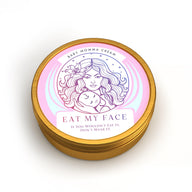
The Baby & Momma Cream is the fragrance-free one, built on grass-fed beef tallow, shea butter, cocoa butter, arrowroot powder, sea buckthorn oil, vitamin E, jojoba oil, fractionated coconut oil and cetyl alcohol.
Sources
- Russell et al. (2024). "Tallow, Rendered Animal Fat, and Its Biocompatibility With Skin: A Scoping Review." Cureus. PMC11193910
- Picardo M, Ottaviani M, Camera E, Mastrofrancesco A. (2009). "Sebaceous gland lipids." Dermato-Endocrinology 1(2):68–71. PMC2835893
- American Academy of Dermatology. "Dermatologists' top tips for relieving dry skin." aad.org
- 21 CFR § 701.3, "Designation of ingredients." Legal Information Institute, Cornell Law School. law.cornell.edu
Ready to try it? Beef Tallow Baby & Momma Cream - Gentle Daily Moisture is in stock and ships fast — $24.99. 180 days to decide.


