

How to Use Beef Tallow (and Why Yours Feels Greasy): The Less-Is-More Guide
Last updated: July 2026
New to tallow on your face? Our guide to the best beef tallow for face covers which formula to pick before you worry about how to apply it.
If your beef tallow feels greasy, you're almost certainly using too much. Tallow is a concentrated balm, not a water-based lotion — a rice-grain to pea-sized amount is enough for your whole face. Warm it to a clear oil between your fingertips, press it into slightly damp skin (don't scrub it around), and it sinks in and goes matte. Gob it onto dry skin and it does exactly what any oil would: sits on top and shines. Ninety percent of "tallow is too greasy" complaints are a dosing-and-technique problem, and both fixes are free.
This is the last stop in our "what to expect from your tin" series — after what tallow smells like, why it goes grainy or melts, and whether it expires.
Almost everyone's first mistake with tallow is treating it like the lotion it's replacing. You've spent years pumping a coin of watery cream into your palm and rubbing it in. Do that with tallow — scoop a fingertip-load, smear it around — and you'll wonder why your face looks like it's auditioning for a rotisserie. The good news is that the fix isn't a different product; it's a smaller scoop and thirty seconds of better technique.
The one-sentence fix
Use dramatically less than you think, and warm it before it touches your face. That's the whole game. Everything below is detail on those two moves.
How much: the rice-grain rule
Tallow is packed — there's no water in it, so every bit is active balm. Start absurdly small and add only if you truly need it:
| Area | Starting amount | Note |
|---|---|---|
| Face (day) | 1–2 grains of rice | You can always add; you can't un-grease |
| Face (night / very dry) | Up to a pea | Overnight, a little shine doesn't matter |
| Under-eyes, lips, cuticles | A tiny dab | Spot-treat, don't coat |
| Hands / elbows / feet | Pea to chickpea | Thicker skin drinks more |
| Body (post-shower) | Small scoop per limb | Damp skin is key here |
A single tin lasts most people months precisely because the correct dose is this small. If you're going through it fast, that's usually the greasiness talking — you're over-applying.
The technique: warm, damp, press
Three steps, and the order matters:
- Warm it first. Scoop your tiny amount onto a fingertip and rub it between both fingertips for a few seconds until it turns from a solid balm into a clear, glossy oil. Tallow melts right around skin temperature, so this happens fast. Applying it still-solid is a big reason it drags and sits on the surface. (More on that melt in the texture guide.)
- Apply to slightly damp skin. Dermatologists give this advice for every moisturizer: apply within a few minutes of cleansing, while skin still holds a little water, because an oil-rich balm seals that water in rather than letting it evaporate (American Academy of Dermatology). Damp skin also helps a small amount spread further, so you use even less.
- Press, don't scrub. Pat and press the oil over your face with light strokes instead of vigorously rubbing it in. You're laying down a thin film, not massaging in a cream. Give it a minute and it settles to a soft, matte-ish finish.

Why "greasy" is almost always a dosing problem
Moisturizers work in three ways: humectants pull in water, emollients smooth, and occlusives seal the surface. Tallow is a rich emollient-occlusive — a concentrated fatty balm whose whole job is to sit at the surface and hold moisture in (Moisturizers: The Slippery Road, 2016). A watery lotion feels light because it's mostly water that flashes off, leaving a small amount of active behind. Tallow skips the water, so the amount that looks equivalent to a pump of lotion is actually many times the active dose. Match the dose to the concentration — a fraction of what you'd use in lotion — and the "greasy" feeling disappears while the moisturizing stays.
Does tallow actually absorb?
Partly, and it's worth understanding the difference. A water-based lotion "disappears" mostly because its water evaporates. Tallow doesn't have that trick — instead, the right small amount melts into the skin's surface lipids (which are themselves fats: triglycerides, wax esters, squalene, fatty acids — see epidermal surface lipids) and the excess is what you feel as grease. Use a rice-grain and there's no excess to feel; use a fingertip-scoop and the surplus has nowhere to go but shine. So "tallow doesn't absorb" is really "I applied more than my skin can take up."

Timing, layering, and when to use it
- Night is the easy win. A slightly heavier application before bed has all night to sink in, so start there while you dial in your daytime dose.
- Under makeup or SPF: use the smallest amount, let it settle a full 2–5 minutes, then layer. Rushing this is what causes pilling or a slick base.
- Daytime: rice-grain, pressed in, given a minute. Most people land at "healthy glow," not "greasy."
- Oily or acne-prone skin can absolutely use tallow — just at the low end of the dosing, and less often. If you're weighing it, our tallow for oily skin and is tallow non-comedogenic guides go deeper.
Troubleshooting
| What's happening | Likely cause | Fix |
|---|---|---|
| Greasy, shiny, sits on top | Too much product | Cut to a rice-grain; warm it first |
| Drags, won't spread | Applied solid, on dry skin | Melt between fingers; apply damp |
| Pills under makeup/SPF | Too much, layered too fast | Less product, wait 2–5 min |
| Still feels dry after | Sealed bone-dry skin | Apply to damp skin; add a humectant first if needed |
| Congestion / breakouts | Over-application on acne-prone skin | Smaller dose, fewer nights/week |
Quick answers
How much beef tallow should I use on my face?
Start with just one to two grains of rice' worth for your whole face during the day, and up to a pea-sized amount at night or on very dry skin. Tallow is water-free and concentrated, so a little goes a long way — add more only if your skin genuinely needs it.
Is beef tallow supposed to feel greasy?
Not when it's applied correctly. A rice-grain amount, warmed to an oil and pressed into slightly damp skin, settles to a soft, mostly matte finish. Greasiness almost always means too much product or applying it solid onto dry skin — both fixable by using less and warming it first.
How do you apply beef tallow so it absorbs?
Warm a tiny amount between your fingertips until it turns to a clear oil, press it into skin that's still slightly damp from cleansing, and use light patting strokes rather than vigorous rubbing. The small dose melts into your skin's surface lipids; any excess is what feels greasy, so less is more.
Why does my tallow just sit on top of my skin?
Two usual reasons: you applied it while it was still a solid balm, or you put it on bone-dry skin. Melt it to an oil between your fingers first and apply within a few minutes of washing, while skin still holds a little water. That helps it spread thin and settle instead of pooling on the surface.
Can oily or acne-prone skin use tallow without it feeling greasy?
Yes — use the smallest amount (a single rice-grain), warm it, apply to damp skin, and start with a few nights a week rather than twice daily. Many oily-skin users do well with tallow at a low dose; the greasy feeling comes from over-applying, not from tallow itself.
One tin, months of rice-grain scoops.
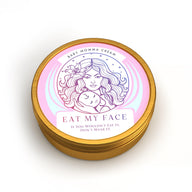
Our Original Beef Tallow Moisturizer ($24.99) is whipped grass-fed tallow that melts in on contact — use it right and it's a glow, not a grease slick. Backed by our 30-day money-back guarantee.
Finish the series: does tallow smell beefy?, why is my tallow grainy or melted?, does tallow expire?, and the one-step tallow morning routine.
How to use beef tallow for skin, start to finish
How to use beef tallow for skin comes down to three moves: take a rice-grain amount, warm it between your fingertips until it turns to oil, and press it into skin that is still slightly damp from washing. Damp skin lets that tiny dose spread thin and settle instead of pooling, which is the whole difference between a healthy glow and a grease slick. Use it at night first, where a little shine costs nothing, then bring the smallest dose into your morning under sunscreen once you know how your skin drinks it. If you are going through a tin fast, that is the signal to use less, not more.
Sources
- American Academy of Dermatology — Dermatologists' Tips for Relieving Dry Skin — apply moisturizer to damp skin, soon after cleansing
- Sethi A, et al. — Moisturizers: The Slippery Road (Indian Journal of Dermatology, 2016) — humectants vs. emollients vs. occlusives
- Epidermal Surface Lipids (PMC) — the skin's own surface fats that tallow melts into
Ready to try it? Beef Tallow Baby & Momma Cream - Gentle Daily Moisture is in stock and ships fast — $24.99. 180 days to decide.


