

Is Tallow Good for Oily Skin?
Yes — tallow can work surprisingly well on oily skin, with two honest caveats. Beef tallow rates about 2 on the 0–5 comedogenic scale, meaning a low likelihood of clogging pores (whole coconut oil, for contrast, sits around 4). And because tallow's fatty-acid profile closely mirrors your skin's own sebum, it tends to absorb in rather than sit greasy on top — so a thin layer can feel lighter than "oil on oily skin" makes it sound. The catch: tallow is rich, and every face is different. If you're very oily or acne-prone, patch test first and use a little — a pea-sized amount, seriously. The best pick for oily or combination skin is a clean, single-purpose formula like Eat My Face Original Beef Tallow Moisturizer, applied thin, ideally at night.
Choosing a formula for facial use? See our ranked picks for the best beef tallow for face.
Is beef tallow good for oily skin?
For a lot of people, yes — and the reason is that tallow doesn't behave like the greasy oils it gets lumped in with. Its fatty acids (oleic, stearic, palmitic) are close cousins of the lipids your own skin already makes, so a thin layer tends to sink in instead of glazing your face. On the comedogenic scale — the 0–5 scale that estimates how likely an ingredient is to clog pores — beef tallow lands around 2 (low likelihood). That's the science-backed reason it doesn't automatically spell breakouts for oily types.
The honest part: "low likelihood" isn't "zero for everyone." Oily and acne-prone skin is exactly the skin type that should patch test any new rich moisturizer before slathering it on. More on that below.
Won't putting tallow on oily skin make it worse?
This is the objection worth taking seriously — because "put more oil on already-oily skin" does sound backwards. Here's the actual mechanism.
Tallow's fatty-acid profile closely mirrors human sebum, so instead of pooling on the surface like a heavier plant oil, a thin application tends to absorb in. It's not adding a slick — it's a lipid your skin recognizes. Pair that with the low comedogenic rating (~2 vs. ~4 for whole coconut oil) and you get why plenty of oily-skinned people use it without the greasy-forehead result they braced for.
Now the guardrail, stated plainly: tallow is rich. If your skin runs very oily or you're acne-prone, the smart move is a patch test on your jaw for a few days and a genuinely small amount. And here's what oily-skinned customers tell us surprised them most: once their skin stopped panicking about dryness, it stopped overproducing — the shiny-by-noon look calmed down.
How to use tallow if you have oily skin
Less is more — that's the whole playbook for oily skin.
- Start with a patch test. A dab on your jawline for 3–4 days. If your skin's happy, move to the face.
- Use a pea-sized amount. Tallow is concentrated; a little genuinely goes a long way. Most "tallow made me greasy" stories are really "I used five times too much" stories.
- Apply at night. Let it absorb while you sleep. If you want it in the morning too, go even thinner and give it a minute before anything else.
- Warm it between clean fingers so it melts to a thin film, then press (don't slather) onto slightly damp skin.
Sunscreen is the other half of an oily-skin routine, and the wrong one undoes the "less is more" work by noon. We ranked the mineral options that don't slick up in best sunscreen for oily skin.
If you're combination — oily T-zone, drier cheeks — you can go a touch heavier on the cheeks and barely-there through the middle. Skin's a moving target; adjust the amount, not the product.
Is tallow non-comedogenic?
"Non-comedogenic" is a marketing word with no legal definition, so the fairer question is where does tallow land on the comedogenic scale — and the answer is around 2 out of 5, i.e. a low likelihood of clogging pores. For contrast, whole coconut oil is commonly cited near 4, which is why it earns its pore-clogging reputation and tallow largely doesn't.
Two honest footnotes. First, comedogenic ratings are estimates, not guarantees — every face is different, which is why we keep saying patch test. Second, formula matters as much as the star ingredient: a tallow moisturizer padded with heavier pore-clogging oils isn't automatically "safe" just because tallow's on the label. (For the full breakdown of the scale and how tallow ranks, see our guide: Is tallow comedogenic?)
Best tallow moisturizer for oily or combination skin
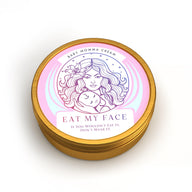
For oily and combination skin, you want a clean, single-purpose tallow moisturizer — not a jar loaded with heavy fillers. Eat My Face Original Beef Tallow Moisturizer fits: 4 oz, grass-fed beef tallow (55%), shea (15%), cocoa butter (14%), and arrowroot (8%), plus sea buckthorn, jojoba, fractionated coconut oil, vitamin E, cetyl alcohol, beeswax, and a trace of vanilla. Note what's not in it — no olive oil, no rosemary extract, no synthetic fragrance. The coconut oil here is fractionated (the light, dry-touch fraction), not the heavy whole-jar coconut oil people mean when they cite that 4.
For oily skin the move is simple: a little goes a long way. Apply a thin layer at night, patch test first if you're acne-prone. It's edible-grade and organic — if you wouldn't eat it, don't wear it.
Ready to try it? Beef Tallow Baby & Momma Cream - Gentle Daily Moisture is in stock and ships fast — $24.99. 180 days to decide.


