

How Long Does Beef Tallow Last? Storage, Shelf Life & Going Bad
Short answer: yes, beef tallow can go bad, but slowly. Grass-fed tallow lasts roughly 12–24 months unopened and 6–12 months once opened, stored cool, dark and dry with the lid on. It goes bad by oxidizing (goes rancid) rather than growing mold, because there’s no water in it. You’ll know by smell. Sharp, sour, metallic or “old crayon” means retire the tin. Don’t refrigerate it, and never scoop with wet fingers. Water is the one thing that cuts its life from months to weeks.
Last updated: September 2026
New to tallow? Zoom out with the tallow vs. lotion breakdown first, or if your tin looks a little grainy, read why tallow goes grainy or melts — that's texture, not spoilage, and it's a different story.
It's the question nobody asks out loud but everybody's thinking the first time they scoop rendered beef fat onto their cheek: isn't this going to go off? It's a fair instinct. We've all opened a forgotten bottle of cooking oil that smelled like a box of crayons. So let's answer it properly — with the actual food science, not vibes — and then tell you exactly how to make a tin last.
How long does beef tallow last?
A well-made, preservative-free tallow balm has two clocks running:
| State | Typical shelf life | What's happening |
|---|---|---|
| Unopened, cool & dark | ~12–24 months | Sealed from air and light; oxidation barely started |
| Opened, in daily use | ~6–12 months | Air, warmth, and finger contact speed the clock up |
| Water got in (wet fingers, steamy shower) | Weeks, not months | Water is what lets microbes grow — the one real accelerant |
Those are honest, conservative ranges for an anhydrous (waterless) balm with no synthetic preservatives. Most people finish a 2–4 oz tin well inside them.
Why does beef tallow last longer than seed-oil skincare?
Here's the part that surprises people: beef tallow outlasts seed-oil serums for the very same reason the internet loves to dunk on saturated fat. Fats go rancid through oxidation — oxygen attacking the double bonds in the fatty-acid chains and setting off a chain reaction that produces those telltale "old crayon" and "wet cardboard" smells. The catch is that only unsaturated fats have many of those double bonds to attack. Polyunsaturated fatty acids (the ones that dominate seed and nut oils) oxidize fast; saturated and monounsaturated fats resist it for far longer (Lipid Oxidation in Food Science, 2023 review).
Beef tallow is mostly saturated and monounsaturated fat, with only a small slice of polyunsaturates. Translation: there just isn't much for oxygen to grab onto. It's the same lipid profile that makes tallow biocompatible with your skin's own sebum — and, as a bonus, it makes it patient in the jar. A rosehip or grapeseed serum can turn in a few months; tallow shrugs off that timeline.

Does beef tallow go bad? What "rancid" actually means
Beef tallow does go bad eventually, but "rancid" isn't a mold or a bacteria thing — it's a chemistry thing. It's oxidation and, to a lesser degree, hydrolysis breaking fats down into smaller compounds that smell and taste off (The Stability and Shelf Life of Fats and Oils). Rancid fat isn't a biohazard — nobody's getting sick from a whiff of it — but it's oxidized, the fat-soluble vitamins have degraded, and it's simply past its best. You wouldn't cook with rancid tallow, and you shouldn't slather it on your face either. Good news: your nose is a genuinely excellent rancidity detector. You will not miss it.
How can you tell if beef tallow has gone bad?
To tell if beef tallow has gone bad, run a three-sense check: smell, look, feel. If it fails one, retire the tin:
- Smell (the reliable one): fresh grass-fed tallow smells faintly beefy, waxy, or like nothing much. Turned tallow smells sharp, sour, metallic, paint-like, or "old crayon." A dramatic change from how it smelled on day one is your cue.
- Look: minor color shifts and a grainy surface are usually just temperature (more on that below). A deep yellowing, dark spots, or anything fuzzy growing on the surface — that last one means water got in — is a hard no.
- Feel: a slick, unusually greasy, or "thin" texture where a balm used to be firm can signal breakdown. Firmness that comes and goes with room temperature is normal; a permanent slide into greasiness is not.
Note the difference: a grainy or melted tin is a texture quirk, not a spoiled tin. We wrote a whole guide to tallow texture because people understandably confuse the two.
How should you store beef tallow?
Storing beef tallow is easy; it doesn't ask for much. Four habits do almost all the work:
- Keep it cool and dark. Heat and light are the two biggest accelerants of oxidation. A bedroom drawer or a bathroom cabinet beats an open shower ledge or a sunny windowsill. A hot car in July is the worst place on Earth for a tin — it won't spoil it instantly, but it fast-forwards the clock (and melts it — again, see the texture guide).
- Keep the lid on. Every hour a tin sits open is an hour of air exposure. Scoop, close, done.
- Keep water out. This is the big one. Dip with clean, dry fingers or a little spatula. Water is the single thing that turns a low-maintenance balm into a spoilage risk (we'll explain why in a second).
- Don't refrigerate it (you don't need to — see below). Room temperature, away from the radiator, is the sweet spot.
Want the step-by-step version — jar choice, counter vs fridge by situation, and what changes for skincare jars? Walk through how to store beef tallow without the guesswork.
Does beef tallow need to be refrigerated?
No — and refrigerating it usually makes it worse to use. Tallow is a saturated fat with no water in it, so it doesn't need cold to stay stable the way a water-based cream or a fresh food does. The fridge won't spoil it, but it will make the balm rock-hard, and the cold-then-warm cycle is exactly what encourages the grainy texture we cover in the texture guide.
The one time the fridge earns its place is a deliberate 20–30 minute chill when you're re-melting a grainy tin to reset it. For everyday storage: a cool, dark cupboard beats the fridge every time.
Is it the same for cooking tallow and skincare tallow?
Essentially yes, and it's worth saying plainly because the question gets asked both ways. Rendered beef fat is rendered beef fat — the storage science doesn't change because you're putting it on your face instead of in a pan. Both are anhydrous, both are mostly saturated, both keep for roughly the same window, and both go off by slow oxidation rather than sudden spoilage. Cooking tallow that's been used for frying is the exception: food particles left in it shorten its life considerably. A clean, unused tin — kitchen or bathroom — behaves the same way.
Does beef tallow need preservatives?
A waterless tallow balm doesn't need preservatives the way a lotion does. Water-based lotions need preservative systems because microbes need water to grow. A waterless, oil-and-butter balm simply doesn't give bacteria, yeast, or mold the moisture they need to set up shop, which is exactly why anhydrous products are generally able to exist "preservative-free" (Formula Botanica — Natural Preservatives for Cosmetics). No water, no preservative arms race, shorter ingredient list. It's one of the quiet advantages of a balm over a pump-bottle cream.
The asterisk: that protection lasts only as long as it stays waterless. Introduce water — wet fingers, a splash on the shower ledge, a scoop mid-bath — and you've handed any stray microbe the one thing it was missing. That's not a tallow flaw; it's true of every anhydrous balm on the market. It's also completely avoidable with dry hands. This is why we bake a little vitamin E into our formulas: it's a natural antioxidant that further slows oxidation from the inside, buying the fat even more patient shelf life.

Shopping for skincare-grade tallow? We ranked the best beef tallow for face — what separates a good tin from a greasy one.
Quick answers
Does beef tallow skincare expire?
Yes, eventually — like all fats it slowly oxidizes — but it's remarkably slow to do so. Expect roughly one to two years unopened and six to twelve months once opened and in regular use. It degrades gradually by going rancid, rather than spoiling suddenly, and its smell will warn you well before that point.
Can rancid tallow hurt my skin?
It's not dangerous the way spoiled food can be, but oxidized fat is past its prime: the beneficial fatty acids and fat-soluble vitamins have started breaking down, and oxidized lipids are more likely to irritate sensitive skin. If it smells sharp, sour, or paint-like, don't use it — retire the tin.
How long is beef tallow good for once it's opened?
Six to twelve months once opened, and one to two years unopened, assuming it's kept cool, dark and dry. Opening the tin starts the clock because air and warm fingers speed up oxidation — but the fat itself is patient, and most people finish a tin well inside that window.
Why isn't there a printed expiration date on the tin?
Cosmetics in the U.S. aren't required to carry a hard expiration date, and for a shelf-stable anhydrous balm a single date would be misleading anyway — storage matters more than the calendar. The honest guidance is the range above plus the smell test. A tin kept cool and dry outlasts one that lived on a sunny sill.
Does the vitamin E really make a difference?
It helps at the margins. Vitamin E (tocopherol) is a natural antioxidant that slows the oxidation reaction that eventually causes rancidity, which is why formulators add a touch to oil-based products. It's not a magic forever-button, but paired with tallow's naturally low oxidation risk, it earns the balm extra time.
The bottom line
Tallow is about as low-drama as skincare gets in the storage department. It resists going off far better than the seed-oil serums it often replaces, it doesn't need a preservative cocktail because it doesn't hand microbes any water, and on the rare occasion it does turn, your nose files the report immediately. Keep it cool, dark, and dry, scoop with dry fingers, and finish the tin — which, if it's doing its job, won't be a problem.
Replacing a jar that's past its prime? Here's where to buy beef tallow — raw blocks vs. ready-made, and what to check before you pay.
Start fresh with a tin that's built to last.
Grass-fed tallow, a whisper of vitamin E, and nothing water-based to spoil. Our Original Beef Tallow Moisturizer is the low-maintenance daily driver — and every tin is backed by our 30-day money-back guarantee.
Keep going: here's why your tallow goes grainy or melts (texture, not spoilage), the difference between tallow and lotion, and the complete guide to beef tallow for your face.
Sources
- Lipid Oxidation in Food Science and Nutritional Health: A Comprehensive Review (2023) — why polyunsaturated fats oxidize faster than saturated fats
- The Stability and Shelf Life of Fats and Oils (Woodhead Publishing) — mechanisms of rancidity in fats
- Formula Botanica — Natural Preservatives for Cosmetics — why anhydrous (waterless) products can be preservative-free
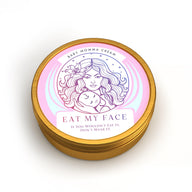
Ready to try it? Beef Tallow Baby & Momma Cream - Gentle Daily Moisture is in stock and ships fast — $24.99. 180 days to decide.


