

How to Render Beef Tallow (Skin-Grade, Not Just Fry-Grade)
To render beef tallow: get cold beef suet (the hard, crumbly fat from around the kidneys), chop it small, melt it in a heavy pot on your stove's lowest setting or a 225°F oven for 3–5 hours, then strain it twice through cheesecloth into clean jars. That's the whole method. Done right, you get snow-white, nearly odorless fat that keeps for months — good enough for a cast-iron pan or, with one extra purifying step, your face.
Rendering tallow is genuinely easy, which is why your great-grandmother did it without a tutorial. The part most guides skip is the difference between fry-grade and skin-grade tallow. They are not the same jar. Here's the full method, the skin-grade upgrades, and honest answers to what people actually ask afterward.
How to Render Beef Tallow, Step by Step
You need beef suet, a heavy pot or slow cooker, a fine-mesh strainer, cheesecloth, and clean jars. Ask the butcher counter for suet specifically; many will hand it over for a few dollars, sometimes free.
- Start with suet, not trimmings. Suet is the dense fat cradling the kidneys. It renders whiter and milder than muscle-fat trimmings, which carry more meat scraps and more of that roast-dinner smell you don't want on your cheeks.
- Chop it cold. Cold suet cubes cleanly; warm suet smears. Cut it into small dice, or ask the butcher to grind it. Smaller pieces render faster and more completely.
- Melt it low and slow. Lowest burner setting, slow cooker on low, or a 225°F oven. A splash of water in the pot at the start stops the first pieces from browning before the fat pools; it evaporates off. If the fat browns, the smell is permanent. Patience is the entire skill.
- Wait for clear gold. After 3–5 hours the liquid fat turns clear and the solid bits (cracklings) shrink, sink, and turn lightly golden. That's done. Smoking or deep browning means the heat was too high.
- Strain twice. Once through a fine-mesh strainer to catch the cracklings, then again through a couple of layers of cheesecloth to catch the fines. Particles left in the jar are what make tallow go rancid early.
- Jar it and let it set. Pour into clean, dry jars and cool at room temperature. It sets ivory to snow-white. Lid on once fully cool, then a dark shelf or the fridge.

Wet vs. Dry Rendering: Which One for Skin?
What you just did is dry rendering — fat plus heat, nothing else. It's the fastest route and perfect for cooking fat. Wet rendering adds water (usually salted) to the pot, which keeps the temperature pinned at a simmer and pulls impurities into the water instead of your fat.
For skincare, do both: dry render first, then run a purifying pass. Re-melt your strained tallow with a few cups of water and a spoonful of salt, simmer gently for an hour, pour the whole thing into a bowl, and refrigerate. The fat sets into a disc on top; the water underneath holds the gunk. Scrape the soft brown layer off the bottom of the disc, discard the water, and repeat once more if the tallow still smells beefy. Two passes gets most batches close to odorless.
How do you get the beef smell out of tallow?
Three levers: start with fresh grass-fed suet (old fat smells old forever), keep the heat low enough that nothing browns, and run wet-purifying passes until the scent fades. What's left is a faint waxy note that disappears on skin within minutes. If a batch still smells like a Sunday roast after two passes, cook with it and render a fresh one for skincare.
Why Grass-Fed Suet Is Worth the Extra Phone Call
Feed changes fat. A review in Nutrition Journal comparing grass-fed and grain-fed beef found grass-fed fat carries about seven times the β-carotene — 0.45 µg/g versus 0.06 µg/g — plus roughly three times the vitamin E and a far lower omega-6 to omega-3 ratio (1.53 versus 7.65 on average). That β-carotene is why properly rendered grass-fed tallow often looks faintly golden instead of stark white. It's the same reason we only use grass-fed, grass-finished tallow in our own jars — the case is laid out in our guide to grass-fed beef tallow benefits for skin.

Sourcing it takes one phone call. Ask a local butcher or farm stand for grass-fed kidney suet; farmers' markets are the cheat code. Prefer to skip the hunt? Here's where to buy beef tallow, raw or ready-made. If the counter person doesn't know how the cattle were finished, that's usually your answer.
From Kitchen Jar to Skin: Using Your Rendered Tallow
Here's why a kitchen fat belongs in this conversation at all: tallow's fatty acid profile — heavy on oleic, palmitic, and stearic acids — overlaps with the lipids your skin already makes. A 2024 scoping review in Cureus found tallow's composition aligns closely with the skin's own barrier lipids and that, across the studies reviewed, tallow on its own had a strong moisturizing effect. Your skin already makes something a lot like this stuff; you just rendered the bovine version.
Want to turn that jar into a finished balm? The tallow balm recipe is four ingredients by weight, with the whipping step that makes the difference.
The same review is blunt about the limits, and so are we: most published evidence on tallow skincare wasn't done on human subjects yet. Tallow has centuries of use and promising chemistry, not a stack of randomized human trials. Anyone telling you otherwise is selling harder than the data allows. If you're managing eczema or anything else diagnosed, ask your dermatologist before adding any new fat to your routine.
To use your batch straight, warm a pea-sized amount between your fingers and press it onto damp skin. Pure tallow is firm and a little waxy; most people prefer it whipped. Let it half-set, then beat it with a hand mixer for a few minutes until it's a soft cream. A small spoonful of olive or jojoba oil makes whipping easier, but go easy: research on topical oils shows that oils dominated by free oleic acid can stress the skin barrier with continuous use, so the fix for stiff tallow is more whipping, not more oil. If you want that written out as ratios — how much oil is too much, why we'd skip olive entirely, and an honest read on how long a homemade batch really lasts — it's all in the tallow face cream recipe. Patch-test the finished balm on your inner arm for a couple of days before it goes anywhere near your face.
Two cautions worth taping to the jar. Homemade tallow balm has no preservative system, so fingers-in-the-jar plus bathroom humidity shortens its life — keep skincare batches in the fridge and trust your nose. And keep it off broken or freshly sunburned skin; occlusive fats on damaged skin are a question for a doctor, not a blog.

Now the honest part: if you render carefully, you do not need to buy a tallow balm from us or anyone else. Suet costs a few dollars and an afternoon. What you're paying for in a finished jar is the parts DIY can't easily replicate — consistent whipping, a scent that never drifts beefy, organic sourcing you didn't have to interrogate a butcher for, and a formula that's the same every time. If that trade is worth it to you, our tallow moisturizer guide covers what a finished formula adds. If it isn't, genuinely: happy rendering.
Can you use rendered beef tallow as sunscreen?
No. Plain tallow has no tested SPF, and rubbing a kitchen fat on before the beach is a gamble your skin pays for. Real sun protection comes from a tested formula — mineral sunscreens use zinc oxide, which absorbs UV before it reaches living skin. We make a tallow-based mineral sunscreen with an SPF 30 rating, and we still tell people the tallow is the moisturizer, the zinc is the sunscreen. The full breakdown is in our post on whether beef tallow works as sunscreen.
Quick answers
Is beef tallow good for your skin?
For most people with dry or normal skin, yes — it's a rich occlusive moisturizer whose fatty acids overlap with your skin's own sebum, which is why it absorbs better than its texture suggests. The human-trial evidence is still thin, so call it a well-reasoned traditional moisturizer, not a proven miracle. Oily or breakout-prone skin may find it too heavy.
Is beef tallow good for sunburn?
Not right away. Fresh sunburn wants cooling, aloe, and water; sealing hot skin under a heavy fat can make it feel worse. Once the heat is fully gone and skin turns dry and tight, a thin layer of tallow helps with the flaky, parched stage. For the first day or two, reach for aloe instead.
Does beef tallow really work for wrinkles?
It won't rebuild collagen, and nobody's kitchen fat reverses skin's structure. What it does do is moisturize deeply, and well-moisturized skin makes fine lines look softer and less etched. That's an appearance benefit you can see in the mirror, not a change to the wrinkle itself. Fair trade, honestly stated.
Is beef tallow good for hair?
In small doses. A rice-grain amount warmed between palms works as an ends treatment or light pre-wash mask, and some people use whipped tallow as a hair cream for frizz. It's easy to overdo on fine hair, where it reads greasy fast. Our full take is in is beef tallow good for hair.
What's the best beef tallow for skin?
Grass-fed, suet-rendered, purified until nearly odorless — whether you made it or bought it. Look for a short ingredient list, a white-to-faint-gold color, and a clean waxy scent. Yellow-brown color or a strong beef smell means impurities that shorten shelf life and sit heavier on skin.
How long does homemade beef tallow last?
Well-rendered and well-strained: a few months in a dark cupboard, six to twelve in the fridge, and about a year frozen. Skincare batches belong in the fridge. Your nose is the expiry date — sour, crayon-like, or paint-like smells mean it's rancid. Toss it and render fresh. The full rundown — fridge vs. freezer, what shortens its life, how to tell it's turned — is in how to store beef tallow.
Rather skip the stockpot? Our Original Tallow Moisturizer is grass-fed tallow blended with organic, edible-grade ingredients and hand-poured — already purified, already smooth, zero beef smell. It's the jar for people who read this whole guide and thought "absolutely not."
Sources
- Russell MF, et al. Tallow, Rendered Animal Fat, and Its Biocompatibility With Skin: A Scoping Review. Cureus, 2024.
- Daley CA, et al. A review of fatty acid profiles and antioxidant content in grass-fed and grain-fed beef. Nutrition Journal, 2010.
- Lin TK, Zhong L, Santiago JL. Anti-Inflammatory and Skin Barrier Repair Effects of Topical Application of Some Plant Oils. International Journal of Molecular Sciences, 2017.
- American Academy of Dermatology. Sunscreen FAQs.
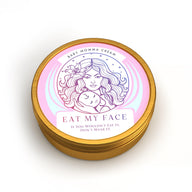
Ready to try it? Beef Tallow Baby & Momma Cream - Gentle Daily Moisture is in stock and ships fast — $24.99. 180 days to decide.


