

How To Choose The Best Natural Moisturizer (Simple Checklist)
how to choose the best natural moisturizer comes down to one thing: picking a formula your skin actually likes enough to use every day. Most people don’t need 12 steps—they need a moisturizer with clean, recognizable ingredients, a texture that feels right, and results that show up as softer, calmer-looking skin. At Eat My Face, our standard is simple: “If you wouldn’t eat it, don’t wear it.” That’s why we obsess over minimalist, edible-grade-inspired ingredients—especially grass-fed beef tallow.
If fine lines are the reason you are shopping, our guide to the best beef tallow for face wrinkles runs this same checklist for mature skin.
And for the straight story on whether beef tallow really works for wrinkles, our anti-aging post covers what it actually does for fine lines.
Want the deep-dive? Our best beef tallow for face walks through benefits, AM/PM routines, what to skip, and the top picks for every skin type.
Note: This article is general education, not medical advice. Patch test new products and follow product directions.
TABLE OF CONTENTS
- WHAT “NATURAL MOISTURIZER” SHOULD REALLY MEAN
- THE INGREDIENT CHECKLIST (WHAT TO SEEK + AVOID)
- HOW TO MATCH A NATURAL MOISTURIZER TO YOUR SKIN TYPE
- TEXTURE: BALM VS CREAM VS LOTION (WHAT YOU’LL ACTUALLY USE)
- WHY GRASS-FED BEEF TALLOW IS A STANDOUT
- HOW TO APPLY FOR THE BEST RESULTS
- SHOP + READ MORE
- FAQ
WHAT “NATURAL MOISTURIZER” SHOULD REALLY MEAN
When people search how to choose the best natural moisturizer, they’re usually trying to avoid irritation, mystery chemicals, or products that feel good for 10 minutes and then disappear. “Natural” can be a vague word, so here’s a practical definition:
Explore more: Tallow For Skin — our complete guide.
- Short, recognizable ingredient list (you can pronounce it, you can understand it)
- No heavy synthetic fragrance (one of the most common irritation triggers)
- Simple fats + oils that support the look of a healthy moisture barrier
- Quality sourcing (where your ingredients come from matters)
If a “natural” moisturizer has 45 ingredients and you can’t name five of them, it’s worth pausing. The best products tend to be the simplest.
THE INGREDIENT CHECKLIST (WHAT TO SEEK + AVOID)
If you’re serious about how to choose the best natural moisturizer, start with the label. Here’s a fast checklist you can use in-store or online.
LOOK FOR
- Nourishing bases: grass-fed beef tallow, shea butter, cocoa butter
- Skin-friendly oils: jojoba oil, sea buckthorn oil, coconut-derived options
- Simple antioxidants: vitamin E (often used to support freshness and skin feel)
- Transparent scent choices: unscented or lightly scented with clearly listed ingredients
BE CAUTIOUS WITH
- “Parfum” / undisclosed fragrance blends (can be irritating for some people)
- Overly complex formulas (more ingredients = more chances for sensitivity)
- Harsh-feeling additives that leave skin tight or squeaky after cleansing
That’s the core of how to choose the best natural moisturizer: choose ingredients you can pronounce, not a chemistry experiment.
HOW TO MATCH A NATURAL MOISTURIZER TO YOUR SKIN TYPE
Next step in how to choose the best natural moisturizer: match the formula to your skin’s vibe.
- DRY SKIN: Choose richer bases (butters, tallow) that help reduce the look of flakiness and tightness.
- OILY / COMBINATION: Look for “a little goes a long way” moisturizers. The key is using a tiny amount and pressing it into slightly damp skin.
- SENSITIVE-LEANING SKIN: Go minimalist. Unscented is often the safest first choice. Our guide to natural skincare for sensitive skin goes deeper on what to cut and what to keep.
- MATURE-LOOKING SKIN: Prioritize deep nourishment and barrier comfort over harsh “quick fix” trends.
When in doubt, start simple, use less than you think, and give it a week of consistent use. That’s a sneaky part of how to choose the best natural moisturizer—you’re choosing something you can stick with.
TEXTURE: BALM VS CREAM VS LOTION (WHAT YOU’LL ACTUALLY USE)
Texture is underrated. A product can have “perfect ingredients,” but if you hate how it feels, you won’t use it. And then the whole how to choose the best natural moisturizer question doesn’t matter.
- LOTION: light feel, quick slip, great for people who hate any richness.
- CREAM: middle ground—comforting, but not overly heavy.
- BALM: richest option, ideal for dry areas, windy climates, and nighttime routines.
Pro tip: richer formulas often work best when applied to slightly damp skin. You’ll use less, and it spreads more evenly.
WHY GRASS-FED BEEF TALLOW IS A STANDOUT
If you’re learning how to choose the best natural moisturizer, you’ll keep seeing tallow pop up—and for good reason. Grass-fed beef tallow is naturally rich, deeply nourishing, and known for being highly compatible with skin’s natural oils. It’s a classic “less is more” ingredient.
Rich does not have to mean greasy, and if your face shines by noon our post on whether beef tallow is good for oily skin walks through what to expect.
- MINIMALIST: works as a powerful base without needing a long ingredient list
- NOURISHING: naturally contains fat-soluble vitamins commonly used in skincare
- SENSITIVE-SKIN FRIENDLY: many people prefer simple fats over complex synthetics
- WASTE-REDUCING: using tallow supports a more zero-waste approach (it’s a byproduct)
This is exactly why Eat My Face exists: edible-grade-inspired skincare that’s simple, effective, and eco-minded—“If you wouldn’t eat it, don’t wear it.”
HOW TO APPLY FOR THE BEST RESULTS
The final piece of how to choose the best natural moisturizer is using it correctly. Here’s the simple method that works for most people:
- APPLY AFTER CLEANSING: ideally within a minute of pat-drying.
- USE A TINY AMOUNT: warm between fingers, then press into skin.
- FOCUS ON DRY AREAS: cheeks, around mouth, neck, hands.
- BE CONSISTENT: morning + night beats “random big applications.”
If you take nothing else away: how to choose the best natural moisturizer is really about choosing something clean and simple that you’ll use every single day.
SHOP + READ MORE
Ready to try it? Our Tallow Moisturizers
FAQ
IS “NATURAL” ALWAYS BETTER?
Not automatically. The best approach is ingredient transparency, simplicity, and how your skin responds over time. That’s the core of how to choose the best natural moisturizer.
WHAT IF I BREAK OUT EASILY?
Start with a very small amount, apply on damp skin, and patch test first. Many people do well with minimalist formulas when they use less.
DO I STILL NEED SUNSCREEN?
Yes. Moisturizer supports comfort and hydration; sunscreen supports UV protection.
Bottom line: how to choose the best natural moisturizer is simple: choose a minimalist ingredient list, match the texture to your skin, and pick something you’ll actually use daily. If you want a clean, nourishing option built around grass-fed beef tallow, explore Eat My Face—and remember: “If you wouldn’t eat it, don’t wear it.”
Want to learn more? Read beef tallow for skin — the complete guide to why tallow works so well on your skin.
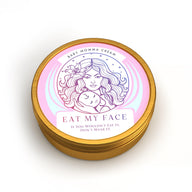
Ready to try it? Beef Tallow Baby & Momma Cream - Gentle Daily Moisture is in stock and ships fast — $24.99. 180 days to decide.

