

Best Tallow for Face Wrinkles: What It Does (and What It Won't)
The best tallow for face wrinkles is a whipped, 100% grass-fed tallow balm with a short ingredient list — and a realistic job description. Tallow's fatty-acid profile sits close to your skin's own sebum, so it moisturizes deeply and softens the look of fine, dry lines within days. What it won't do is rebuild collagen or flatten deep-set wrinkles. Nothing in a jar does that. The honest formula: whipped grass-fed tallow for moisture, SPF 30 every morning so new lines arrive slower, and retinol or a dermatologist for the structural stuff.
That's the whole answer. The rest of this post is the evidence, the shopping criteria, and the parts most tallow brands conveniently skip.
Does Beef Tallow Help With Wrinkles?
Wrinkles have two parents: time and sun. Dermatology research splits skin aging into intrinsic aging (genetics, hormones, the slow decline in collagen production that starts in your twenties) and extrinsic aging, which is mostly UV exposure quietly dismantling the collagen and elastin that keep skin springy. A 2012 review in Dermato-Endocrinology describes wrinkles forming as those support structures weaken and the bond between your dermis and epidermis loosens. That's the machinery underneath.
A moisturizer doesn't touch that machinery. What it does is change the surface. A well-hydrated outer layer is plumper, scatters light better, and makes fine lines visibly shallower — the same review notes that daily moisturizing can improve elasticity and smoothness, but calls the change what it is: temporary. Stop moisturizing, and the lines you softened come back to work.
So where does tallow earn its seat? Biocompatibility. Rendered grass-fed tallow carries a lipid profile remarkably close to human sebum, which is why it absorbs into skin like it was expected. A 2024 scoping review in Cureus looked at 19 studies on topical tallow and found consistent hydrating and moisturizing properties. It also found something we'll say out loud even though we sell the stuff: most of that evidence comes from animal and lab research. Large human trials on tallow are still thin. The moisturizing case is solid. The miracle case is marketing.
Does beef tallow really work for wrinkles?
It depends which wrinkles. Fine lines that deepen when your skin is dry — cheeks, around the eyes, that crepey look by afternoon — respond fast to serious moisture, and tallow delivers serious moisture. Deep-set folds like smile lines and forehead creases are collagen valleys. A balm sits on top of those. Anyone telling you otherwise is selling harder than the data allows.

What Makes the Best Tallow for Face Wrinkles
Once you've decided tallow belongs in your routine, quality is nearly everything, because the ingredient list is nearly nothing. There's nowhere for a bad product to hide except in plain sight. Here's what separates skincare-grade tallow from repackaged cooking fat:
100% grass-fed, from a named source. The fatty-acid profile that makes tallow worth using comes from how the cattle were raised. If a brand won't say where its tallow comes from, that's your answer.
Whipped texture. Straight rendered tallow is dense — great for elbows, heavy for faces. Whipping lets you spread a genuinely thin layer, which is what facial skin wants. Thin layers absorb; thick ones just sit there being shiny.
A short ingredient list. Tallow, maybe one or two complementary oils like jojoba or olive, maybe an essential oil for scent. That's it. A "tallow blend" padded out with cheap seed oils is a seed-oil cream with tallow on the label.
An honest smell. Properly rendered tallow smells faint and slightly natural. A tallow product with zero scent at all was usually deodorized hard, and you should ask what that process left behind.

We wrote a full breakdown of the seven red flags to check before buying tallow for your face, and if you're still deciding whether tallow belongs on your face at all, start with our honest guide to beef tallow for face.
What People Tell Us After a Month on Tallow
Here's the part that sells jars: people tell us their fine lines look dramatically softer, and the ones who stick with it are floored by how much smoother and plumper their skin looks. The mechanism is simple. Mature skin makes less sebum every year, and tallow puts back the same oleic, palmitic, and stearic fatty acids it used to make for itself — so the dehydration lines around the mouth and eyes plump back out, and the tight, crepey look that reads as "old" stops showing up in the mirror.
Pair it with sun protection and you've got the two moves that matter most. The American Academy of Dermatology puts daily broad-spectrum SPF 30 at the top of its list for slowing premature skin aging. Most of the lines you'll get in the next decade are sun-driven, and sunscreen is how you argue with that. We make an SPF 30 mineral sunscreen built on grass-fed tallow with non-nano zinc oxide, and it layers cleanly over a thin coat of tallow balm. If you want to see how tallow-based sunscreens stack up against each other, we did a side-by-side tallow sunscreen comparison.
How to Use Tallow in a Wrinkle-Conscious Routine
Tallow's superpower is that it makes a routine almost embarrassingly simple. Morning: rinse or gently cleanse, press a pea-sized amount of whipped tallow into damp skin, give it two minutes, then apply your SPF 30. Damp skin matters — tallow is brilliant at sealing water in, and mediocre at creating water that isn't there.
Night is where you can go richer. Skin does its maintenance work while you sleep, and a slightly heavier layer of a nighttime tallow cream supports that without any of the daytime shine concerns. If you use retinol, apply it first, wait, then let tallow buffer the dryness on top.

Then stay boring. Judge results at four weeks, not four days. The full one-product morning version of this is laid out in our tallow morning routine for face, neck, and hair.
Quick answers
Does beef tallow really work for wrinkles?
It works on the look of fine, dry lines by deeply moisturizing skin — a hydrated surface is plumper and lines appear shallower. It does not rebuild collagen or remove deep-set wrinkles. A 2024 scoping review found consistent moisturizing benefits but noted human studies are still limited.
Is beef tallow good for wrinkles on the face?
Yes, as a facial moisturizer — especially for dry or mature skin, since tallow's lipids closely resemble your skin's own sebum. Use a thin layer of a whipped, grass-fed balm and pair it with daily SPF 30. For deep folds, a dermatologist beats any balm.
What is the best tallow for your face?
A whipped balm made from 100% grass-fed tallow with a named source and a short ingredient list — tallow plus a complementary oil or two, nothing more. Skip vague "tallow blends" padded with seed oils and products deodorized until they smell like nothing.
Beef tallow vs retinol: which is better for wrinkles?
They do different jobs. Retinol has the strongest evidence for actually improving wrinkles over months of use, but it can irritate and dry skin out. Tallow moisturizes and keeps your skin barrier comfortable. Many people run both: retinol at night for remodeling, tallow on top for moisture.
How long does tallow take to show results on fine lines?
Moisture-related changes show up fast — often within a few days, fine dry lines look softer and skin feels less tight. Judge the real effect at about four weeks of daily use. Any product promising structural change overnight is overpromising.
Does beef tallow clog pores?
For most people, no — its similarity to sebum means skin tends to accept it well, though the evidence here is largely anecdotal. Start with a thin layer every other day if you're breakout-prone, and scale up as your skin votes yes.
What is the best beef tallow for face wrinkles?
The best beef tallow for face wrinkles is a whipped balm made from 100% grass-fed tallow with a named source and an ingredient list you can read in one breath. Grass-fed matters because the fatty-acid profile that makes tallow worth using comes from how the cattle were raised. Whipped matters because straight rendered tallow spreads thick, and thick layers sit on top looking greasy while thin ones actually absorb. Skip “tallow blends” padded with seed oils, and be suspicious of anything deodorized until it smells like nothing. Then use it the boring way: a thin layer at night, SPF 30 in the morning, and a fair verdict at four weeks.
The nighttime half of the plan, handled.
Our Beef Tallow Nighttime Restorative Cream is the richer evening layer this post keeps talking about — grass-fed tallow with lavender and chamomile, made to work the night shift while your skin does its maintenance.
Is a tallow balm or a tallow cream the best for face wrinkles?
The best tallow balm for face wrinkles is a whipped one, and the balm-versus-cream label matters far less than the texture inside the jar. Straight rendered tallow is dense: great on elbows, heavy on a face, and a thick layer just sits there looking shiny. Whipping lets you spread a genuinely thin layer, which is what facial skin wants, because thin layers absorb. Grass-fed, a named source, and an ingredient list you can read in one breath still apply. For fine, dry lines, run the richer layer at night: our Beef Tallow Night Cream with lavender and chamomile is built for that shift. Thin layer at night on clean skin, SPF 30 in the morning, fair verdict at four weeks.
Sources
- Russell MF, et al. "Tallow, Rendered Animal Fat, and Its Biocompatibility With Skin: A Scoping Review." Cureus, 2024.
- Ganceviciene R, et al. "Skin anti-aging strategies." Dermato-Endocrinology, 2012.
- American Academy of Dermatology. "11 ways to reduce premature skin aging."
- Mukherjee S, et al. "Retinoids in the treatment of skin aging: an overview of clinical efficacy and safety." Clinical Interventions in Aging, 2006.
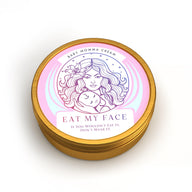
Ready to try it? Beef Tallow Baby & Momma Cream - Gentle Daily Moisture is in stock and ships fast — $24.99. 180 days to decide.


