

Does Beef Tallow Cook Your Skin in the Sun? Not Even Close
No. Beef tallow can't cook or fry your skin in the sun. Cooking takes heat, and sunshine doesn't get your skin anywhere close. In full summer sun, skin sits around 95°F. Skin doesn't start to burn from heat until about 111°F, and a steak isn't done until 145°F. A thin layer of balm doesn't change that math. What actually gives you a sunburn is ultraviolet light damaging the DNA in your skin cells, and UV does that whether you're wearing tallow, lotion, or nothing at all. The answer to UV is a real sunscreen. That's exactly why we put non-nano zinc oxide in a grass-fed beef tallow base: the zinc handles the sun, the tallow handles your skin.
Where did "tallow cooks your skin" come from?
In November a 21-year-old surfer in California posted on r/Skincare_Addiction asking why they still burn at the beach. They wear waterproof SPF 60 and reapply every 60 to 80 minutes. They also mentioned using beef tallow and coconut oil for dry skin.
The top comment, sitting at roughly 2,700 upvotes: "Girl. You're cooking your skin by using beef tallow." The next most popular one said the same thing about tallow and coconut oil.
Here's the part that got buried. The surfer never wore tallow in the sun. Their edit says it plainly: they use it after showers, at night, and as a makeup remover. And the brutal burn in their photos came from a day they didn't reapply sunscreen. Thousands of people upvoted a diagnosis of a product that was never on the beach. The thread is locked now, so nobody can correct it there. So I'm correcting it here.
Does beef tallow fry your skin in the sun?
No, and the numbers aren't even close. Frying and cooking are heat events. Here's how hot things actually get:
| What | Temperature |
|---|---|
| Your skin, exercising in full sun on a 90°F day | about 95°F (35°C) |
| Skin starts to burn from heat | about 111°F (44°C) |
| A steak is cooked (USDA safe temperature) | 145°F (63°C) |
Your body works hard to keep your skin in that first row. You sweat, blood moves to the surface, heat leaves. A film of balm a fraction of a millimeter thick doesn't turn 95 into 145. There's no pan and no burner. "You put cooking fat on, so you're cooking" sounds clever, but by that logic olive oil makes your salad hot.
What actually causes a sunburn?
Ultraviolet light, mostly UVB. Researchers mapped exactly which wavelengths of light damage the DNA in human skin cells and which ones turn skin red, and they're the same wavelengths. A sunburn is radiation damage, not a cooking injury. That's why you can get fried skiing on a 25°F day.
So the question isn't whether there's fat on your skin. It's whether anything on your skin is stopping UV. That's the sunscreen's job.
Does oil act like a magnifying glass on your skin?
No. A magnifying glass burns paper because curved glass, held away from the surface, focuses sunlight down to a tiny point. A layer of balm lying flat on your skin isn't curved, isn't held away from anything, and can't focus light anywhere. Search engines repeat the magnifying-glass line about coconut oil without citing a single study, and we couldn't find one.
The opposite idea, that a layer of fat "intensifies" UV, has the same problem: no evidence. When dermatologists in the British Journal of Dermatology measured 40 prescription moisturizers in a thin layer, more than half cut UVB a little. Cut, not boosted. "Some" isn't enough for a day at the beach, which is the whole reason a real sunscreen exists.
Can beef tallow be used as sunscreen?
Grass-fed beef tallow is the best base I've found for a sunscreen, and that's a different thing from being the sunscreen. Sun protection comes from an FDA-recognized active ingredient. In our SPF 30 tubes that active is non-nano zinc oxide, and tallow is what carries it.
Why tallow instead of the usual water and emulsifiers? No water means no preservatives to keep that water from going bad. Tallow spreads easily and feels like skin instead of a coating. And the tinted version uses cacao powder to cut the ghost-white cast zinc is known for. Tallow's job is your skin. Zinc's job is the sun. They do both jobs in the same tube.
If you want the deeper version, I broke down how tallow sunscreen works and answered the other big tallow sunscreen warning going around.
Why does tallow feel so good on skin?
Because it's built a lot like the oil your skin already makes. Human sebum is mostly triglycerides, about 45% on average. Beef tallow is almost entirely triglycerides, rich in palmitic, stearic and oleic acids, the same fatty acids your skin uses to keep its barrier sealed. Dr. Adam Friedman, chair of dermatology at George Washington University, has called tallow "an effective barrier repair product, helping to reinforce the skin's armor, trap moisture, and soften the skin."
That's the surfer's use case exactly: wind, salt water and sun leave skin tight and dry, and tallow puts the fat back.
What actually makes your skin more sensitive to the sun?
If you want something to worry about before the beach, worry about these. They're real, they're documented, and a lot of them are sitting in mainstream routines:
- Alpha hydroxy acids (glycolic, lactic). The FDA reports AHAs raised UV redness by about 18% and roughly doubled sunburned cells in testing.
- Retinoids. Retinol and prescription retinoids make skin more sun-sensitive. That's why their labels tell you to wear sunscreen.
- Some medications. The FDA lists certain antibiotics such as doxycycline, some diuretics, and some anti-inflammatory painkillers as sun-sensitizers.
- Lime juice on your skin. Squeeze limes at the beach, then sit in the sun, and you can get a blistering reaction nicknamed "margarita burn."
Beef tallow isn't on any of those lists.
Should you put tallow on a sunburn?
After you cool it down, yes. Get the heat out first with a cool shower or a cool compress. Once your skin stops radiating heat, a tallow balm is a great way to put moisture back into skin that's tight and peeling. Our After Sun Balm adds aloe and cucumber for that cooling feel. I wrote a full guide on using beef tallow after sun exposure. If you have blisters over a large area, a fever or chills, see a doctor.
How I'd set up a beach day
Morning: tallow moisturizer after your shower is fine. Let it sink in.
Before the sun: SPF 30, and use more than you think. Our tinted tallow sunscreen tube goes on without the white mask. Reapply at least every two hours, and every time you get out of the water and towel off.
Night: cool shower, then tallow.
Wear the tallow. Wear the sunscreen. Just don't believe the guy who thinks your face is a frying pan.
Frequently asked questions
Can beef tallow burn your skin?
No. Tallow doesn't heat up in sunlight and can't raise your skin anywhere near the temperatures where skin burns or food cooks. Sunburn comes from UV light, which is why you need a real sunscreen whether or not you use tallow.
Does beef tallow have an SPF?
Plain tallow has no SPF rating, and you shouldn't use any moisturizer as your sun protection. Our SPF 30 tubes pair grass-fed beef tallow with non-nano zinc oxide, the active ingredient that protects you from the sun.
Can I wear tallow moisturizer before going outside?
Yes. Put it on after your shower, let it absorb, then apply your sunscreen on top before you head out.
Does coconut oil fry your skin in the sun?
No. Like tallow, coconut oil can't focus sunlight or heat your skin enough to cook it. The "magnifying glass" claim has no study behind it. What burns you is UV, so wear sunscreen.
Sources
- Otani H, et al. The fan cooling vest use reduces thermal and perceptual strain during outdoor exercise in the heat on a sunny summer day. International Journal of Biometeorology, 2024. PubMed 38771319
- Martin NA, Falder S. A review of the evidence for threshold of burn injury. Burns, 2017. PubMed 28536038
- USDA Food Safety and Inspection Service. Safe Minimum Internal Temperature Chart
- Young AR, et al. The similarity of action spectra for thymine dimers in human epidermis and erythema suggests that DNA is the chromophore for erythema. Journal of Investigative Dermatology, 1998. PubMed 9856805
- Hudson-Peacock MJ, Diffey BL, Farr PM. Photoprotective action of emollients in ultraviolet therapy of psoriasis. British Journal of Dermatology, 1994. PubMed 8148279
- Pappas A. Epidermal surface lipids. Dermato-Endocrinology, 2009. PMC2835894
- USDA FoodData Central. Fat, beef tallow, FDC ID 171400.
- U.S. Food and Drug Administration. Alpha Hydroxy Acids and The Sun and Your Medicine
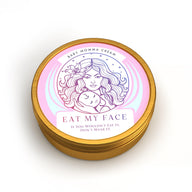
Ready to try it? Beef Tallow Baby & Momma Cream - Gentle Daily Moisture is in stock and ships fast — $24.99. 180 days to decide.

