

The Oil Cleansing Method for Face: How to Do It, Which Oil to Use, and Who Should Skip It
The oil cleansing method for face means washing with oil instead of foam. Massage about a teaspoon of a liquid plant oil into dry skin for a minute, lay a warm, wrung-out washcloth over your face until it cools, wipe, then moisturize. It works because oil dissolves oil: it lifts the sebum, sunscreen and long-wear makeup that a quick lather leaves behind, without the pH swing or the stripping that soap brings. The part most guides skip is the oil itself. Safflower and plain sunflower oil, both high in linoleic acid, are the safe default. Olive oil, the classic recipe, is mostly oleic acid, which skin-barrier research links to a weaker barrier. Coconut oil is only 2% linoleic and goes solid below room temperature. Pick a high-linoleic oil, keep the cloth warm rather than hot, and put moisture back afterward, and the method earns its reputation.
Why the oil cleansing method for face works at all
Your skin makes sebum all day. It is a blend of triglycerides, wax esters, squalene and free fatty acids, and by evening it has picked up company: the oil phase of your sunscreen (zinc oxide sits in oil, ours included), silicone primer, foundation built to survive a workday. Water rolls off that film. A splash and a rub does almost nothing to it.
Foaming cleansers get through it with surfactants. A surfactant molecule has a water-loving end and an oil-loving end, so it breaks the film into droplets small enough to rinse away. That works. It also takes more than you asked for. The harsher ones pull cholesterol, fatty acids and ceramides out of the outer skin layer, and true bar soap runs somewhere between pH 8.5 and 11 against a skin surface that sits between pH 4 and 6. Alkaline exposure makes the proteins in that outer layer swell and can turn some of your own barrier fatty acids into something that behaves, in the researchers' words, more like soap.
Oil cleansing skips the surfactant entirely. The oil you massage in mixes with the oil already on your face, the warm cloth thins the whole lot, and the cloth carries it off. No lather, no pH swing, and if you chose the oil well, no tight, squeaky feeling ten minutes later.
One thing we owe you here: this includes our tallow soap. Saponified tallow is still soap, and soap is alkaline. We think ours is a very good soap, and plenty of people with dry skin prefer it to anything foaming. It is not pH 5. If your face wants a low-pH cleanse, oil cleansing at night is the honest answer, and we wrote up the balm versus soap trade-offs separately so you can pick with your eyes open.
How to oil cleanse, step by step
Dry hands, dry face, one teaspoon of oil. Start where sunscreen collects: the creases beside your nose and the hairline. Use your fingertips, not a cloth or a brush. The American Academy of Dermatology's face-washing advice is blunt about scrubbing: it irritates skin, so don't. Sixty seconds of slow circles is plenty. If you wear waterproof mascara, close your eyes and work it last, gently.
Now the cloth. Run a clean washcloth under warm water, wring it out until it stops dripping, and lay it over your whole face. Leave it there twenty to thirty seconds, until it cools. The warmth thins the oil. You are not steaming a dumpling, so warm, not hot. Wipe in one direction, rinse the cloth, and go once more anywhere that still feels slick.
Finish with a lukewarm rinse and pat dry with a soft towel. Then moisturize while your skin is still slightly damp. This is not optional. You have just removed the sebum your skin spent the day making, and a fingertip of something that resembles it is the fastest way to stop the tight feeling before it starts. That last step is where tallow comes in, and we'll get to it.

How often should you oil cleanse?
Once a day, at night. The AAD's baseline is to wash twice daily, morning and evening, plus after heavy sweating, and that still holds. Mornings need very little: lukewarm water, or a gentle cleanser if you wake up shiny. Evenings are when sunscreen and the day's grime need real removal, and that is the oil's job. The one-step tallow morning routine covers the AM side if you want the whole day mapped.
Do you need a second cleanser afterward?
Only if your skin still feels filmy after the second wipe. Then a gentle, low-pH cleanser finishes the job. If your face feels clean and comfortable, stop. A foaming second cleanse "just in case" puts the stripping right back into a routine designed to avoid it.
Which oil to use for the oil cleansing method
This is the whole game, and it is where the internet's original recipe goes wrong. That recipe was castor oil cut with olive oil. Castor is thick and pulls hard. Olive is mostly oleic acid. A 2018 review of plant oils on skin in the International Journal of Molecular Sciences puts the problem plainly: linoleic acid has a direct role in keeping the water barrier intact, oleic acid is detrimental to it, and olive oil applied to adult skin measurably increases water loss through the barrier. That is the opposite of what you want from a cleanser you use every night.
So look for oils that lean linoleic. Safflower oil is about 70% linoleic and 10% oleic. Plain sunflower oil also leans linoleic, with one catch: "high-oleic" sunflower is a different product bred for frying, so read the label and pick the regular one. Jojoba is mostly wax esters, which is the closest any plant gets to one fraction of your own sebum. It costs more and works well. Grapeseed is another thin, linoleic-leaning option that people with oily skin tend to like.
Coconut oil is the one people ask about most, and the numbers are not on its side. It is 49% lauric acid, 18% myristic, 8% palmitic, and only 6% oleic and 2% linoleic. It is solid below about 76°F, which is why it sits in pores rather than lifting out of them, and why the breakout-prone crowd tends to regret it. We compared it head to head with tallow in beef tallow vs coconut oil for skin, and it lost there too.

Here is the sentence nobody selling a cleansing oil wants to write. There are no clinical trials of the oil cleansing method itself. The evidence is about individual oils applied to skin and left there, and about how surfactants and pH behave on the outer skin layer. Everyone, including us, is extrapolating from that to a routine where oil goes on for a minute and comes off with a cloth. It is a sensible extrapolation. It is still an extrapolation, and if your skin has a diagnosed condition, ask your dermatologist before you change how you wash it.
Where tallow fits, and where it doesn't
Can you oil cleanse with tallow? You can. We would not, and we sell the stuff. Tallow is roughly half saturated fat and semi-solid at room temperature. A 2024 scoping review in Cureus describes its makeup as oleic, palmitic, stearic and a little linoleic acid, overlapping with the fatty acids found in your own epidermis, which is exactly why it makes a good leave-on. That same profile is what you want left on your skin, not massaged in and wiped off with a hot cloth. It also costs several times more per teaspoon than a bottle of safflower from the grocery store.
The pairing that makes sense is cheap oil off, good fat on. Cleanse with safflower or sunflower, wipe, rinse, then press a fingertip of tallow balm into damp skin. You have removed the day's sebum and put back something built from the same fatty acids, without the water and preservative system most night creams are built around. Our honest guide to tallow for face goes deeper on what it does and does not do, and the same Cureus review is candid that most of the tallow research is animal or comparative work, with human trials largely absent. We would rather you know that than hear it from someone else.
Fair warning, since we just spent a paragraph knocking it: our Original balm has a little coconut oil in it, eighth on an eleven-ingredient list. In a leave-on balm at that ratio it is there for texture, sitting beside cocoa butter and beeswax. As a cleanser on its own, it is still the wrong pick.
If you like a bar at the sink and your skin tolerates it, our unscented tallow soap is the gentler kind of alkaline. Oil at night, bar in the shower, balm after both. That is the whole routine.
Common oil cleansing mistakes
Most oil cleansing horror stories trace back to one of five things: the wrong oil, a scalding cloth, scrubbing, skipping the moisturizer, or trying it on skin that was already unhappy. The checklist below is the short version. The long version is that a mild routine only stays mild if every step is mild, and the cloth temperature is the one people get wrong most.

Broken, sunburned or irritated skin is not the place to test a new routine. Skip the oil and the cloth until it settles. Give any change two weeks before you judge it. Skin that has been foam-stripped for years often looks oilier for the first several days after you stop, then settles.
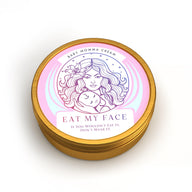
The put-it-back step. Oil cleansing takes the day's sebum off. Our Baby & Momma Cream puts a grass-fed version of the same fatty acids back: nine ingredients, no water, and no fragrance at all. A fingertip on damp skin after the cloth is the whole night routine.
Quick answers
Does the oil cleansing method work for oily skin?
Usually, yes. Oily skin is often over-cleansed skin, and many people find the shine calms down once they stop stripping it every night. Use a thin, high-linoleic oil like safflower or grapeseed, keep it to once a day, and give it two weeks before judging.
Can I use coconut oil for oil cleansing?
You can, but most faces should not. Coconut oil is 49% lauric acid and only 2% linoleic, and it turns solid below about 76°F, so it tends to sit in pores instead of lifting out of them. If you are breakout-prone, pick safflower or sunflower instead.
What is the best oil for the oil cleansing method for face?
Safflower oil, at roughly 70% linoleic acid, or plain sunflower oil (not the high-oleic kind). Jojoba is a pricier option that works well. Olive and castor, the original recipe, are the weakest choice on the skin-barrier evidence.
How often should you do the oil cleansing method?
Once a day, in the evening, when there is sunscreen and grime to remove. Mornings need only lukewarm water or a gentle cleanser. Add a wash after heavy sweating, which is the American Academy of Dermatology's standard advice for any routine.
Can you oil cleanse with tallow?
You can, but it is the wrong tool. Tallow is semi-solid, about half saturated fat, and costs far more per teaspoon than a liquid cleansing oil. Its fatty-acid profile is what you want left on skin, so cleanse with safflower and moisturize with tallow.
Do I need to double cleanse after oil cleansing?
Only if your skin still feels filmy after the second wipe with the warm cloth. If it feels clean and comfortable, stop there. A foaming second cleanse puts the stripping back into a routine built to avoid it.
Sources
- American Academy of Dermatology. Face washing 101.
- Lin TK, Zhong L, Santiago JL. Anti-Inflammatory and Skin Barrier Repair Effects of Topical Application of Some Plant Oils. Int J Mol Sci. 2018;19(1):70.
- Mijaljica D, Spada F, Harrison IP. Skin Cleansing without or with Compromise: Soaps and Syndets. Molecules. 2022;27(6):2010.
- Russell MF, Sandhu M, Vail M, Haran C, Batool U, Leo J. Tallow, Rendered Animal Fat, and Its Biocompatibility With Skin: A Scoping Review. Cureus. 2024.
Ready to try it? Beef Tallow Baby & Momma Cream - Gentle Daily Moisture is in stock and ships fast — $24.99. 180 days to decide.


