

Mutton Tallow Benefits: What Sheep Fat Actually Does for Skin
Muttons tallow is just mutton tallow: sheep fat, rendered low and slow into a firm, candle-hard block. On skin it seals in moisture, so rough hands, heels and elbows stop feeling tight and papery. It melts around 115 °F, well above skin temperature, so it drags. For your face, grass-fed beef tallow softens on contact and does the same job.
What mutton tallow actually is
Mutton tallow is fat from sheep, usually the hard fat around the kidneys and loin, that has been rendered: melted low and slow, strained, and cooled into a solid block. Same process as beef tallow, different animal. Old butchery language calls the raw fat suet and the rendered, shelf-stable version tallow, and that distinction still matters when you buy. Suet turns rancid in weeks. Properly rendered tallow keeps for a year or more in a cool cupboard.
Is mutton tallow the same as lanolin?
No, and this is the most common mix-up in the category. Lanolin is the waxy grease a sheep secretes into its wool to keep the fleece water-repellent. Mutton tallow is body fat. Same animal, completely different molecules: lanolin is built from wax esters, tallow from triglycerides. If a label says "sheep fat" and the texture is sticky and honey-like rather than firm and candle-like, you are holding lanolin.
Why do so many people type "muttons tallow"?
Because it is a word most Americans read before they ever said out loud. There is no separate product called muttons tallow, no plural version, no grade. It is the same rendered sheep fat, and the search volume behind that typo is bigger than the volume behind the correct spelling, which tells you how new this ingredient still is to most people shopping for it.
Mutton tallow vs beef tallow: the difference is stearic acid
Both fats are built from the same handful of fatty acids in different proportions, and the proportions are the whole story. In a 2022 Heliyon analysis, mutton tallow measured roughly 37.1% stearic acid, 33.1% oleic acid and 20.1% palmitic acid. Refined beef tallow, measured the same way in a 2025 Food Chemistry: X study, came in at 28.4% stearic, 31.6% oleic and 27.5% palmitic.
Nine points of stearic acid does not sound like a lot. On your face it is everything. Stearic acid is the firm, waxy one, and mutton tallow melts at about 46 °C (115 °F), well above the roughly 32 °C of skin surface temperature. It does not soften on contact the way beef tallow does. You have to work it in. That single number explains why the traditional uses for mutton tallow are candles, boot dressing and hard soap, and why beef tallow is the one that ends up in face cream.

The real benefits of mutton tallow for skin
Two things make it work.
It seals. A fat this saturated forms a continuous film that slows the water evaporating out of your skin. That is not a small thing. Skin that holds onto its own water looks fuller, feels less tight, and stops flaking. It works best on damp skin, where there's water underneath to lock in.
It is close to what your skin already makes. Human sebum is about 57.5% triglycerides and free fatty acids, 26% wax esters and 12% squalene. Tallow is triglycerides, built from the same oleic, palmitic and stearic chains your sebaceous glands work with, which is the plainest explanation for why it tends to feel like it belongs rather than like a coating. We go deeper on that in why grass-fed tallow works so well on skin.
That's why tallow sinks in and feels like it belongs on skin: the biggest share of what your skin makes, tallow brings too.
Bonus: vitamins. Tallow naturally carries the fat-soluble vitamins A, D, E and K, and the amounts track what the animal ate, which is one more reason we use grass-fed. More in our breakdown of the vitamins in grass-fed tallow.
Is mutton tallow good for scars?
Mutton tallow can soften and smooth the look of an old, closed scar by keeping the area soft and hydrated.
It works by occlusion and hydration: slow the water leaving the skin, and a dry, dull scar stays softer and smoother-looking. For a face, grass-fed beef tallow does the same job with a softer melt that spreads instead of dragging.
Use it on old, flat, fully closed scars that look dry or dull; softer skin simply looks better. We wrote the long version in mutton tallow for scars: does it actually work?
Tallow soap benefits: where mutton tallow genuinely wins
If you have ever used a bar that lasted a month instead of dissolving into slime in a week, you have used a hard-fat soap. Stearic and palmitic acid saponify into sodium stearate and sodium palmitate, and those two are what make a bar hard, long-lasting and low-lather in the best way: dense and creamy rather than big and squeaky. At 37% stearic acid, mutton tallow is one of the hardest soap fats available. Beef tallow is a shade softer and still far ahead of most plant oils on this measure.
If you want to see how that hardness plays out in a finished bar, our best tallow soap guide ranks the four we make by who actually uses them.
That's also why we'd have you wash with an unscented tallow soap bar and then put the fat back on top with a tallow moisturizer: the bar gets you clean, the balm leaves you soft.

Beef tallow for hair: how to use it
Tallow on hair is a sealing move: it locks in the moisture that's already there. Rubbed through the ends, a trace of it flattens the cuticle, cuts frizz on coarse or curly hair, and adds shine, and as a pre-wash oil it gives the shampoo something to strip other than your own lipids.
Use the softest tallow you can find, a smear at a time, and keep it off the roots. Skip mutton tallow here: a fat that stays solid at 46 °C is a fat you'll be washing out twice.
How to use mutton tallow without the grease
Almost every "tallow felt heavy and horrible" complaint traces back to dose and timing rather than the fat itself. Three fixes, in order of how much they matter.

If you would rather skip the learning curve, that is a fair argument for starting with beef tallow, which melts closer to body heat and forgives a heavy hand. Our guide to buying and using tallow skincare covers what to look for on a label.
Quick answers
What are the benefits of mutton tallow for skin?
It slows water loss from the skin surface, which keeps dry skin feeling softer and looking fuller, and its fatty acid profile is similar to the triglycerides in your own sebum, so it tends to feel compatible rather than coating. It also carries fat-soluble vitamins A, D, E and K, and the amounts track what the animal ate. Its firmness makes it better suited to hands, elbows and feet than to faces.
Is mutton tallow better than beef tallow?
For soap, yes, because its higher stearic acid content makes a harder, longer-lasting bar. For facial skincare, no. Mutton tallow melts around 46 °C versus skin's 32 °C, so it stays stiff and drags, while beef tallow softens on contact. Choose by where you are putting it, not by which animal sounds more exotic.
Is mutton tallow good for scars?
It can improve the appearance of an old, closed, dry-looking scar by keeping it soft and hydrated — and grass-fed beef tallow does the same job with a softer melt that spreads instead of dragging.
What are the benefits of tallow soap?
Hardness, longevity and a dense creamy lather, all of which come from the stearic and palmitic acid in the fat. A tallow bar outlasts most plant-oil bars at the same size. Follow it with a tallow moisturizer and you've got the whole routine.
Can you use tallow on your hair?
Yes, as a pre-wash or ends-only sealant, in a very small amount. It smooths the cuticle and reduces frizz on coarse hair. Skip mutton tallow specifically, because its high melting point makes it stubborn to wash out.
Does mutton tallow clog pores?
Mutton tallow is harder and heavier than beef tallow, so it's happiest on body skin: hands, elbows, heels. For your face, go with grass-fed beef tallow, which melts on contact and spreads thin. A pea-sized amount on damp skin is all a face needs.
Want the benefits without the wax-candle texture?
Our Original Beef Tallow Moisturizer is grass-fed beef tallow blended to melt at skin temperature. Same sealing power as mutton tallow, none of the arm workout.
Sources
- Physicochemical properties of a new structural lipid from the enzymatical incorporation of flaxseed oil into mutton tallow, Heliyon, 2022 — mutton tallow fatty acid profile (37.1% stearic, 33.1% oleic, 20.1% palmitic) and melting point of 46.1 °C.
- Optimization of dry fractionation and micro-oxidation flavor enhancement for beef tallow, Food Chemistry: X, 2025 — refined beef tallow fatty acid profile (28.4% stearic, 31.6% oleic, 27.5% palmitic).
- Sebaceous gland lipids, Dermato-Endocrinology, 2009 — human sebum composition: 57.5% triglycerides and fatty acids, 26% wax esters, 12% squalene.
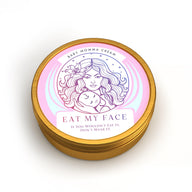
Ready to try it? Beef Tallow Baby & Momma Cream - Gentle Daily Moisture is in stock and ships fast — $24.99. 180 days to decide.


