

Moisturizer vs Lotion: What's the Difference, and Which One to Buy
Moisturizer is the category, and lotion is one kind of moisturizer: the thinnest, most watery one. Every moisturizer sits somewhere on a line that runs from water-heavy to water-free. Lotion lives at the watery end, with water usually listed first, so it spreads fast and feels light. Creams carry more oil, and balms and ointments carry little or no water at all. The American Academy of Dermatology says ointments and creams add more moisture to skin than lotions, so if your skin feels tight an hour after lotion, the fix is a heavier moisturizer, such as a water-free tallow balm, rather than a second coat.
Walk down any skincare aisle and the labels use these words like they're interchangeable. Face moisturizer. Body lotion. Moisturizing lotion. Daily moisture cream. The bottles aren't going to clear it up, so here's the plain version, plus how to tell which one your skin is actually asking for.
Moisturizer vs lotion: what's the actual difference?
A moisturizer is anything you put on skin to help it hold on to water. That's the whole job description. How a product pulls it off depends on three kinds of ingredients, and dermatologists sort them like this:
- Humectants pull water into the top layer of skin. Glycerin and hyaluronic acid are the famous ones.
- Emollients are mostly lipids and oils. They make skin feel softer, smoother and more flexible.
- Occlusives form a layer on top that slows water escaping from the skin, which dermatologists call transepidermal water loss.
Lotion, cream, balm and ointment all do that same job. What separates them is texture, and texture mostly comes down to how much water is in the jar. Most moisturizers are emulsions: water and oil held together by an emulsifier. Lotion is the emulsion with the most water in it, which is why it pours or pumps. Cream is the same idea with more oil, thick enough to scoop. Balms and ointments drop most or all of the water and keep the fats.
Is lotion a moisturizer?
Yes. Every lotion is a moisturizer, but not every moisturizer is a lotion. When a bottle says "moisturizing lotion," it's naming the job and the texture in the same breath.
How to tell which one you're holding
Flip it over. US labeling rules list cosmetic ingredients from most to least, so the first line tells you what most of the bottle is. If it says water (or "aqua," which is just water in Latin), you're holding a lotion or a cream. If the first line is a fat, a butter or an oil, you're holding a balm. We walk through the rest of a typical lotion label, including the emulsifiers and preservatives that water brings along, in tallow vs. lotion: what's actually different.
Lotion vs cream: where the moisture actually comes from
Here's the part the bottle leaves out. Water on its own doesn't moisturize for long, because it evaporates. What keeps skin soft is what stays behind: the oils and butters, and anything that slows your skin's own water from leaving.
Humectants help, with a catch. A review in the Indian Journal of Dermatology calls them "a double-edged weapon." They draw water up from deeper skin into the top layer, where it is easily lost to the air unless something seals it in. That's the lotion that feels great at 8 a.m. and has vanished by 10.
Which is why the AAD's advice for dry skin is blunt: "Ointments and creams add more moisture to skin and are more effective than lotions." More fat and less water means softness that lasts. (Shopping for one? Our guide to what to look for in a tallow cream walks the label line by line.)
Lotion vs cream for dry skin
Cream wins, and a balm goes further still. If you have the tight, flaky kind of dry that drinks a lotion and asks for another, the light texture is the problem, and a heavier moisturizer is the answer. Our ranking of the best beef tallow moisturizers for dry skin lays out what to look for.
Lotion or cream for your hands
Hands get washed all day, so they lose moisture faster than anywhere else on you. The AAD says to put moisturizer on after every hand wash, while skin is still damp. A thicker balm lasts between washes where a lotion often doesn't, and our guide to tallow balm for dry, cracked hands covers the routine.
Which should you buy: lotion, cream or balm?
Buy for how your skin feels two hours later, not two minutes later. Everything feels nice going on.
If your skin stays comfortable all day after one light layer, what you're using is doing its job. If it feels tight by lunch, or you're re-coating it every few hours, go thicker. For most people that means leaving lotion behind for a cream or a water-free balm.
Oily and breakout-prone skin is where people get nervous about going thicker. The trick is quantity. A balm is concentrated, since there's no water taking up room in the tin, so a pea-sized amount covers the whole face. Warm it between your palms until it melts, then press it on. Used that way, a balm feels lighter than most people expect.
Whatever you pick, put it on damp skin. The AAD says to apply moisturizer while skin is still damp after a shower or bath, and the Indian Journal of Dermatology review gives the same advice for oils: apply them on moist skin. Our checklist for choosing a natural moisturizer covers the label side if you're comparing jars.

Can you use body lotion on your face?
You can, and plenty of people do. The better question is whether you need two products at all. A short-label balm made for face and body handles both: a pea-sized amount on the face, a bigger scoop on elbows and shins, one tin on the shelf.
Where tallow balm fits: the water-free end
Tallow balm sits at the far end of the line, past cream, with no water in it at all. That leaves only the fats, and tallow happens to be a fat your skin already knows.
Sebum, the oil your skin makes on its own, is mostly triglycerides and fatty acids: 57.5% taken together, followed by wax esters at 26% and squalene at 12%, according to a review in Dermato-Endocrinology. Tallow is rich in triglycerides built from oleic, palmitic, stearic and linoleic acids, per a 2024 scoping review in Cureus, which found that tallow offers hydrating and moisturizing properties. It also carries vitamins A, D, E and K.

So a tallow balm softens and seals in one layer, with a fat profile close to your skin's own. That's why it sinks in instead of sitting on top like a film, and why one morning layer tends to hold through the day. Ours starts with tallow from grass-fed, pasture-raised cattle and is made in small batches in Eugene, Oregon. For the long version of the science, our guide to beef tallow for face goes deep.
Will a tallow balm feel greasy?
Not if you use it like a balm. Our Original puts arrowroot powder fourth on its label to take the shine off, and the amount does the rest: pea-sized, warmed, pressed in. If it ever feels heavy, the fix is almost always less of it.
How to switch from lotion to a balm
The routine is shorter than the one you're replacing. Wash with a gentle bar or cleanser and pat your face dry, leaving it a little damp. Warm a pea-sized amount of balm between your palms until it melts; it softens as it warms, so give it a few seconds. Press it over your face and neck, then rub whatever's left into your hands.

Wearing sunscreen too? Moisturizer goes on first and SPF goes on top. Our guide to using tallow moisturizer with sunscreen covers the order and the wait time.
Quick answers
Is lotion a moisturizer?
Yes. Lotion is one type of moisturizer, the thinnest and most watery one. Moisturizer is the umbrella term for anything that helps skin hold on to water, so lotions, creams, balms and ointments all count.
What is the difference between lotion and cream?
Mostly water content. Lotion has the most water, which is why it pumps from a bottle and sinks in fast. Cream carries more oil and less water, so it's thick enough to scoop and lasts longer on the skin.
Is cream or lotion better for dry skin?
Cream, and a balm goes further. The American Academy of Dermatology says ointments and creams add more moisture to skin and are more effective than lotions. Put it on while your skin is still damp from washing.
Can you use body lotion on your face?
You can. Many people simply prefer one product for both, and a short-label balm made for face and body does that job. Use a pea-sized amount on your face and a little more everywhere else.
Does a moisturizer need water in it?
No. Balms and ointments are moisturizers with little or no water in them. They work by softening skin and slowing the loss of the water it already has, which is why a water-free tallow balm goes on best over damp skin.
How much tallow balm should I use on my face?
A pea-sized amount covers the whole face. Warm it between your palms until it melts, then press it in. With no water taking up space, a little goes a long way, and a 4 oz tin of our Original lasts 2 to 3 months of daily use.
Try the water-free end of the line
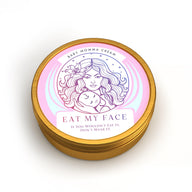
Our Original Beef Tallow Moisturizer is a tallow balm with no water in the formula: grass-fed beef tallow leading eleven edible-grade ingredients, including the jojoba oil and shea butter that appear on the AAD's list of dry-skin ingredients, with a light vanilla note. A pea-sized amount covers your whole face, and one 4 oz tin lasts 2 to 3 months of daily use. The Baby & Momma Cream is the fragrance-free one, built on grass-fed beef tallow, shea butter, cocoa butter, arrowroot powder, sea buckthorn oil, vitamin E, jojoba oil, fractionated coconut oil and cetyl alcohol.
Sources
- American Academy of Dermatology. Dermatologists' top tips for relieving dry skin.
- Sethi A, Kaur T, Malhotra SK, Gambhir ML. Moisturizers: The Slippery Road. Indian Journal of Dermatology. 2016;61(3):279–287.
- Picardo M, Ottaviani M, Camera E, Mastrofrancesco A. Sebaceous gland lipids. Dermato-Endocrinology. 2009;1(2).
- Russell MF, Sandhu M, Vail M, Haran C, Batool U, Leo J. Tallow, Rendered Animal Fat, and Its Biocompatibility With Skin: A Scoping Review. Cureus. 2024.
Ready to try it? Beef Tallow Baby & Momma Cream - Gentle Daily Moisture is in stock and ships fast — $24.99. 180 days to decide.


