

Is Beef Tallow Skincare Sustainable? An Honest Answer (Including the Part You Won't Like)
Last updated: July 2026
Honest answer in one paragraph: tallow is a co-product of an industry that already exists. Roughly half of a beef carcass isn't sellable meat, and that remainder gets rendered into tallow, biodiesel, fertilizer, and dozens of other materials. No cow is raised for face cream. Using that fat is upcycling something already produced that would otherwise become fuel or waste. But — and this is the part we won't dress up — it is still an animal product from animal agriculture. If you avoid animal-derived materials on principle, tallow skincare isn't for you, and we're not going to try to talk you out of that.
Sustainability copy in skincare is usually where language goes to die. "Clean," "eco-conscious," "planet-friendly" — words chosen precisely because they can't be checked. So let's do this with actual specifics, including the places our answer is weaker than we'd like.
Where tallow actually comes from
When cattle are processed for beef, only about half the carcass weight ends up as the cuts you'd recognize at a butcher counter. The rest — fat, bone, organs, blood, hide — goes to rendering, an industry that exists specifically to convert that material into usable products rather than landfill (Ag Proud — Upcycling Beef Byproducts).
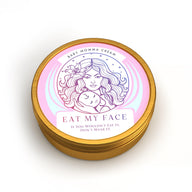
Rendered fat becomes tallow, and tallow goes into an enormous range of things most people never connect to cattle: biodiesel, soap, lubricants, tires, cosmetics, even the gel caps on vitamins. Rendering also keeps a large volume of material out of landfills and reduces grease loads that would otherwise burden wastewater systems.
So the supply chain question — "is a cow dying for your moisturizer?" — has a clear answer: no. The fat exists because of the meat industry's demand for beef. What's genuinely at stake is whether that existing material gets used well or wasted.
The honest limits (read this part)
Here's where we stop making our own case:
- "Byproduct" doesn't make it separate from animal agriculture. Byproduct sales contribute to the economics of the beef industry. It's a small share of carcass value, but it isn't zero, and we're not going to pretend our purchase exists in a vacuum sealed off from cattle farming.
- We don't call ourselves "cruelty-free." That phrase has a specific meaning about animal testing — we don't test on animals, and never have. But the raw material is animal-derived, and using the term as a general halo would be misleading. Two different claims; we'll only make the one that's true.
- If you're vegan, this isn't your product. Full stop. There are good plant-based moisturizers out there, and we'd rather you buy one of those than feel misled by us.
- Beef has a real climate footprint. Cattle farming carries significant environmental costs — that's well documented, and using the co-product doesn't erase it. What upcycling does is improve the ratio of useful output to impact already incurred. That's a genuine benefit, not a get-out-of-jail card.

What "grass-fed" does and doesn't mean
We source grass-fed tallow, and it's worth being precise about why — because "grass-fed" is another term that gets stretched.
What it genuinely affects: the fatty-acid composition of the fat differs with diet, grass-fed tallow tends to carry more of the fat-soluble vitamins that make tallow interesting for skin, and it generally renders to a milder, cleaner scent (which we cover in does tallow smell beefy?). Those are product-quality reasons, and they're the honest reasons we specify it.
What it doesn't automatically mean: "grass-fed" is not by itself a certification of regenerative land management, animal welfare standards, or a lower carbon footprint. Some grass-fed operations are genuinely excellent on those measures; the label alone doesn't prove it. Anyone selling you grass-fed as a blanket environmental credential is overreaching.
The comparison nobody makes fairly
Plant-based isn't automatically the greener choice, and pretending otherwise is its own kind of greenwashing. A few honest complications:
- Palm oil — extremely common in "natural" cosmetics, and historically tied to significant deforestation and habitat loss.
- Shea and cocoa butter — plant-derived, but with supply chains that raise real questions about labor conditions and land use, and they're often shipped a long way.
- Water-based lotions — mostly water, requiring preservative systems, heavier packaging, and shipping weight for a product that's largely… water. (See tallow vs. lotion.)
None of this makes tallow automatically superior. It means "animal = bad, plant = good" is too blunt an instrument for an honest comparison, and the real answer depends on the specific ingredient, farm, and supply chain — for us as much as for anyone else.
The smaller things we can actually claim
Modest, checkable, no adjectives required:
- Waterless formulas. No water means no preservative system needed, a shorter ingredient list, and more actual product per unit shipped. You're not paying to freight water across the country.
- Concentrated use. A rice-grain-sized dose per application means a single tin lasts months — genuinely less packaging per month of use than a pump bottle you get through in six weeks.
- Metal tins. Widely recyclable, and enough people reuse them that we hear about it.
- Short ingredient lists. Fewer inputs means a shorter supply chain with fewer places for problems to hide.
- No animal testing. Never have, won't.
Quick answers
Is beef tallow skincare sustainable?
Tallow is a co-product of the existing beef industry — roughly half a carcass isn't sellable meat, and that remainder is rendered into tallow and other materials rather than landfilled. No cattle are raised for skincare, so using it upcycles material that already exists. It's still part of animal agriculture, which carries its own environmental footprint, so it's better described as making good use of an existing byproduct than as inherently low-impact.
Is tallow skincare cruelty-free?
We don't test on animals and never have, but we don't use the phrase "cruelty-free" as a blanket claim because the raw material is animal-derived. Those are two separate things, and conflating them would be misleading. If avoiding animal-derived ingredients matters to you, a plant-based product is the right choice.
Is tallow vegan or is there a vegan alternative?
Tallow is not vegan — it's rendered beef fat. If you're vegan, look to plant-based butters and oils such as shea, cocoa butter, or jojoba-based balms instead. We'd genuinely rather you buy a product that matches your values than feel misled by ours.
What does grass-fed actually mean for tallow?
It refers to the cattle's diet, which affects the fat's fatty-acid composition, its fat-soluble vitamin content, and how mild it smells once rendered — real product-quality differences. It is not by itself a certification of regenerative farming, animal welfare standards, or a lower carbon footprint, and it shouldn't be marketed as one.
Is plant-based skincare better for the environment than tallow?
Not automatically. Palm oil is common in natural cosmetics and carries serious deforestation concerns; shea and cocoa butter have their own land-use and labor questions; and water-based lotions ship a lot of water in heavier packaging with added preservatives. The honest answer depends on the specific ingredient and supply chain rather than on whether it came from a plant or an animal.
Ingredients you can check, claims we can defend.
Grass-fed tallow, waterless formulas, recyclable tins, no animal testing, and no adjectives we can't back up. Start with the Original Beef Tallow Moisturizer ($24.99) — 30-day money-back guarantee.
Related: tallow vs. shea butter, how to spot sunscreen greenwashing, and does tallow skincare expire?
Sources
- Ag Proud — Upcycling Beef Byproducts: What Happens After the Packing Plant — carcass utilization and where byproducts go
- The Role of Rendering in Sustainable Food Waste Management — landfill diversion and wastewater impact (industry source — read with that in mind)
- Meat Byproducts: Uses, Value and Waste Reduction — overview of byproduct streams
Ready to try it? Beef Tallow Baby & Momma Cream - Gentle Daily Moisture is in stock and ships fast — $24.99. 180 days to decide.


